
Popular categories
Looking for a yarn?









Comments / Questions (109)
 Cécile wrote:
Je ne suis toujours pas sur... Je pense tout devoir défaire car j'ai fait l'inverse. Au rang 1 ( sur l'endroit) on fait 2 mailles endroit ( pour le mousse) 1 jeté /une maille endroit ( pour le jersey) 1 jeté/ une maille endroit ( jersey centre) /1jeté/ une maille endroit (jersey) 1 jeté 2 mailles endroit ( pour le point mousse)... Merci
12.10.2026 - 18:24DROPS Design answered:
Bonjour Cécile, c'est juste, c'est bien ainsi que vous tricotez le 1er rang = vous avez augmenté 4 m (= 4 jetés), au 2ème rang, tricotez 2 m end (point mousse), faites 1 jeté, tricotez à l'envers jusqu'à ce qu'il reste 2 m, faites 1 jeté et tricotez 2 m end (point mousse). Tricotez ensuite les rangs 3 (4 augmentations) et 4 (2 augmentations) et répétez ces 2 rangs jusqu'à ce que vous ayez 83 mailles au total. Bon tricot!
13.10.2026 - 09:15
Cécile wrote:
Bonjour, a nouveau une question. Je suis arrivée au diagramme, juste après avoir fait les 34 augmentations qui nous mènent a 119 mailles. On augmente en faisant des jetés , mais du coup il y a des trous ? Je ne vois pas de trous sur le modèle... Pourtant rien de particulier précisé sur le type de jeté dans augmentation/diminution pour le châle. ( Pour le bonnet il y a écrit mailles torses). Merci pour les précisions
12.10.2026 - 02:19DROPS Design answered:
Bonjour Cécile, à part les augmentations habituelles sur l'envers, vous pourrez tricoter les autres augmentations torse pour éviter un trou lorsque vous commencez les diagrammes. Bon tricot!
12.10.2026 - 09:57
Cécile wrote:
Bonjour, je me pose plusieurs questions, et ce dès le départ. RG1 on est sur l'endroit et on tricote le jersey a l'envers ?ensuite rang 2 doit on tricoter les jeté z l'envers pour qu'il forment un trou sur tous les jeté ( bordure et milieu) de la même façon RG 3 doit on tricoter les jetés de bordure en faisant un trou? Je manque de photos du modèle pour bien voir les bordures. J'espère être claire, j'ai du mal a comprendre le démarrage ( ce qui me rassure pas vu la suite) Merci
10.10.2026 - 22:25DROPS Design answered:
Bonjour Cécile, avant de tricoter le rang 1 (sur l'endroit), on tricote d'abord 1 rang envers sur l'envers (pour que la bordure en haut du châle soit plus jolie); on tricote ensuite en jersey avec 2 m point mousse de chaque côté, et en même temps, on augmente comme indiqué: 4 m sur l'endroit et 2 mailles sur l'envers jusqu'à ce qu'on ait 83 m au total. Les jetés se tricotent normalement = dans le brin avant, à l'envers sur l'envers ou bien à l'endroit sur l'endroit) pour qu'ils forment des trous. Bon tricot!
12.10.2026 - 08:28
Valerie wrote:
Bonjour pouvez vous me dire comment l'on fait "1 maille endroit en piquant sous la maille suivante" on ne tricote pas la maille et on va directement piquer en dessous de la 1ere maille ? doit-on la laisser glisser ensuite ? Merci
22.09.2026 - 15:45DROPS Design answered:
Bonjour Valérie, dans cette vidéo, nous montrons comment tricoter ces mailles, ce sont des mailles en côtes anglaises tricotées avec la version "maille double" et non avec les jetés. Bon tricot!
23.09.2026 - 08:12
 Birgitta Ericsson wrote:
Hej! Jag förstår inte varvet A3 A4 det stämmer inte med att sticka 44 maskor på mönster A3B! Det blir mer än 15 maskor fram till mitten maskan! Förstår inte! Skulle vilja få en bättre beskrivning för väldigt rörigt med alla olika mönster varv!
22.09.2026 - 12:06DROPS Design answered:
Hej Birgitta, hvor mange masker har du? Hvor er du i teksten? Og hvilken pind er du på i diagrammet? Så skal vi se på det :)
24.09.2026 - 10:22
Patricia wrote:
Bonjour D’accord vous pensez peut-être qu’y aura plus de points avec les cotes 1/1 plutôt qu’avec les fausses anglaises ? Je vous remercie. Bonne semaine.
08.09.2026 - 08:33DROPS Design answered:
Bonjour Patricia, en fonction du type de côtes choisies, de la longueur et de votre tension, notamment, il peut y avoir une différence de largeur, raison pour laquelle il vaut mieux essayer au préalable sur un échantillon d'enchaîner les côtes après les diagrammes pour vérifier le résultat avant de vous lancer sur davantage de mailles et de risquer de défaire. Bon tricot!
09.09.2026 - 06:56
Patricia wrote:
Bonjour, j’aimerais savoir , Une fois A7 et A8 tricotés et les 739 mailles obtenues peut-on remplacer les diagrammes A1 et A2 par des côtes anglaises ? Dans ce cas doit-on prévoir plus de mailles ? Je vais faire avec des fausses côte anglaise, je trouve que c’est plus joli. Est-ce qu’il faut, je manque beaucoup plus de points que leA1 A2 ou c’est pareil ? Je suis à la moitié de A7 A 8 . Je vous remercie Bonne semaine à vous.🙏
07.09.2026 - 07:24DROPS Design answered:
Bonjour Patricia, probablement, mais pensez à vérifier par exemple sur un échantillon au préalable la différence de mailles nécessaires et ajustez si besoin pour bien conserver le même effet. Bon tricot!
08.09.2026 - 08:28
Ginky wrote:
Bonjour, je suis au 23e rang et pour ne pas me tromper car quand on perd un point en anglais c’est pas facile. Est-ce qu’il y a bien 14 points avant de commencer le dessin c’est-à-dire le nouveau dessin à côté du grand moi j’ai 14 mail avant l’augmentation et ensuite j’attaque le dessin. Merci pour votre réponse. Bon week-end si vous pouviez me répondre aujourd’hui ce serait bien.
04.09.2026 - 08:30DROPS Design answered:
Bonjour Mme Ginky, je ne suis pas bien sûre de savoir à quel rang vous en êtes, mais quoi qu'il en soit, pour éviter de perdre des mailles (car vous avez raison, ce n'est pas simple à rattraper), penser à placer des marqueurs entre chaque diagramme, ainsi, vous pourrez toujours bien vérifier votre nombre de mailles à chaque fois. Bon tricot!
04.09.2026 - 16:47
Patricia wrote:
Bonjour, je suis arrivé à A5 À 6 À c’est le début que veut dire à 5B au-dessus 176, maille suivante, huit fois en largeur, il faut suivre le dessin tout simplement merci pour votre réponse.
26.07.2026 - 09:19DROPS Design answered:
Bonjour Patricia, vous devez ici répéter 8 fois les 22 mailles de A.5B, soit 8x22=176 mailles tricotées en A.5B. Bon tricot!
04.08.2026 - 13:57
Ginky wrote:
Bonjour, je comprends bien sur le croquis, mais je ne comprends pas ce que veut dire cette phrase A.1B au-dessus des 168 mailles suivantes (84 fois en largeur) pour moi, 84 fois en largeur, ça veut dire de faire 84 fois dont(ou 84 lignes ou 42 lignes mais comme sur le croquis il n’y a pas 42 lignes ou 84. Je ne comprends pas. Merci pour votre réponse.
30.06.2026 - 15:22DROPS Design answered:
Bonjour Ginky, A.1B se tricote sur 2 mailles, le répéter 84 fois vous fera tricoter les 168 mailles suivantes en A.1B. Vous le répétez ici en largeur (- 2 mailles) pas en hauteur (rangs). Ce diagramme n'est tricoté qu'une seule fois en hauteur. Bon tricot!
01.07.2026 - 07:21
|
|||||||||||||||||||||||||||||||
Lacey Laurels#laceylaurelsshawl |
|||||||||||||||||||||||||||||||
 |
 |
||||||||||||||||||||||||||||||
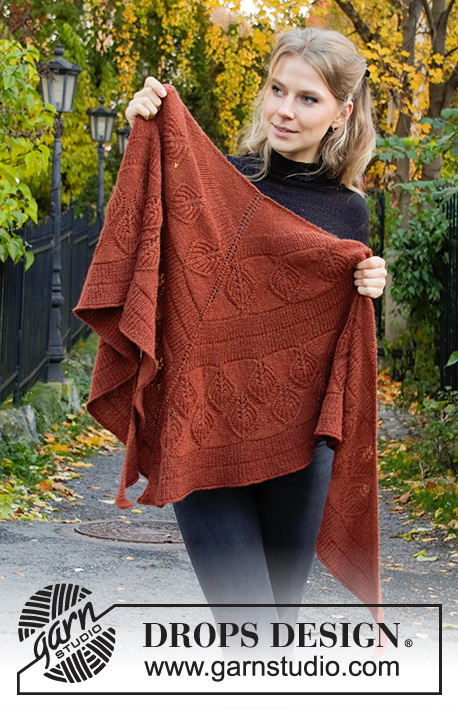
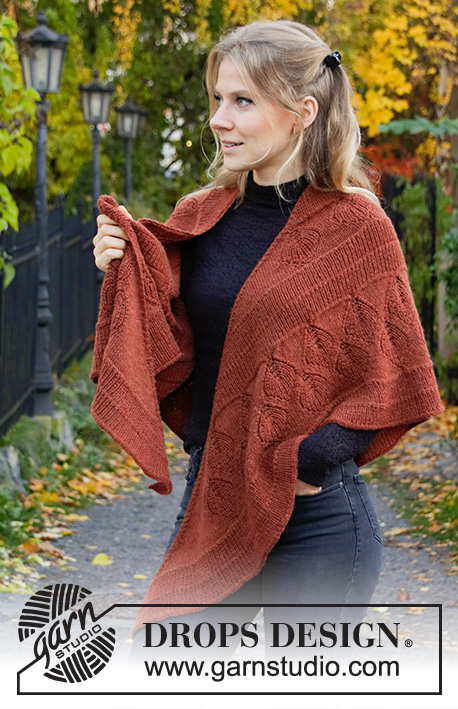
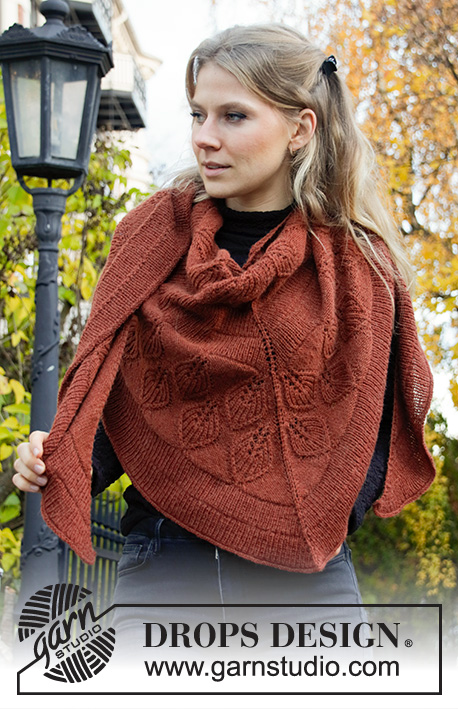
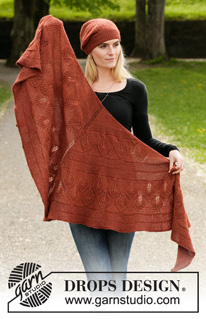
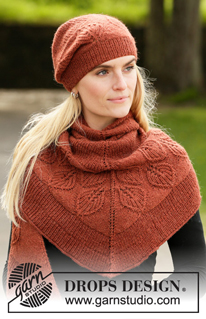
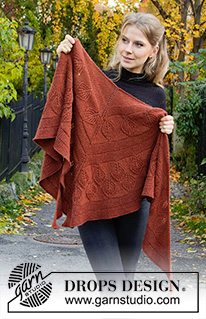
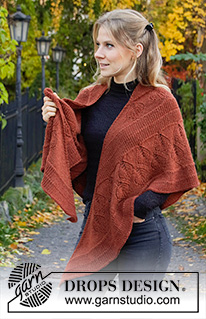
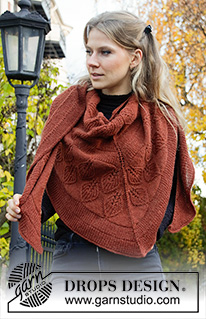
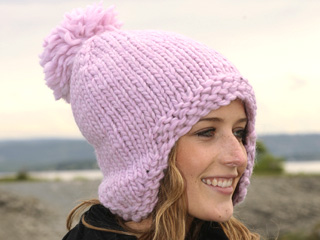
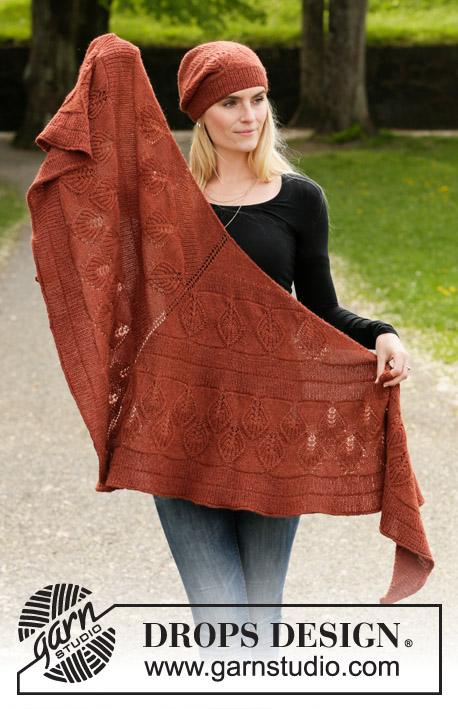
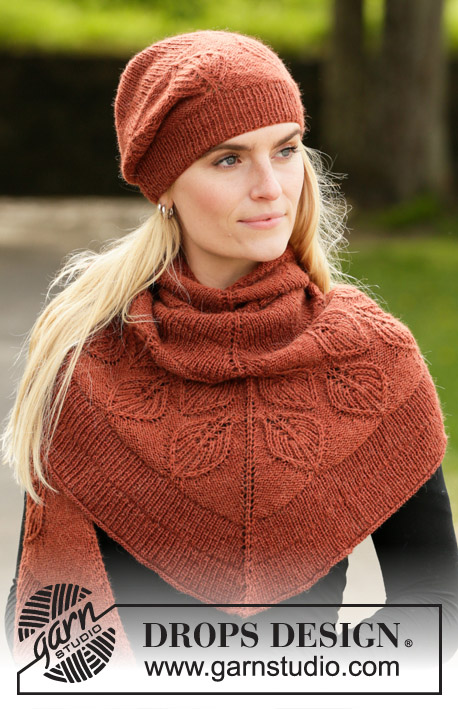
Knitted hat and shawl in DROPS Alpaca. The piece is worked with rib and leaf pattern in Fisherman’s rib.
DROPS 203-14 |
|||||||||||||||||||||||||||||||
|
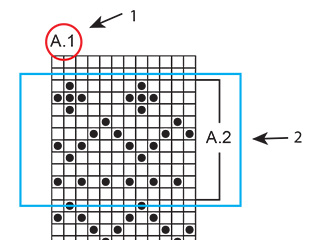
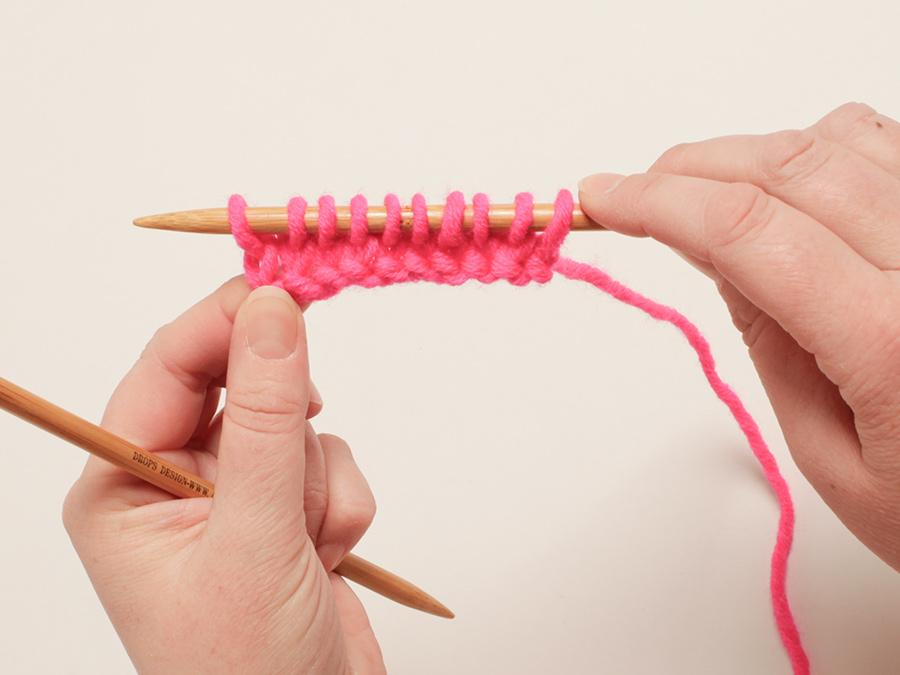
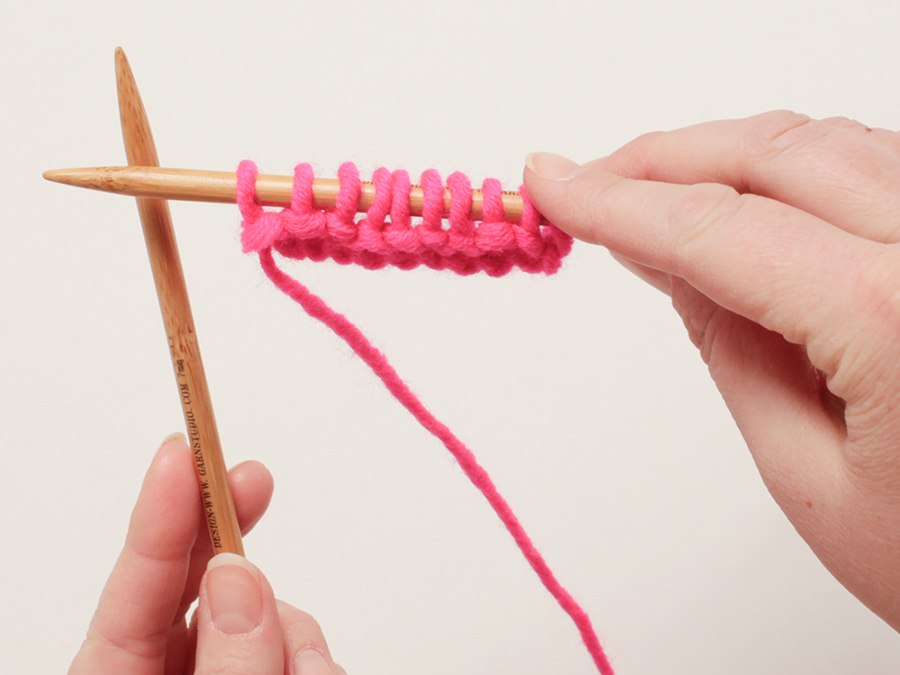
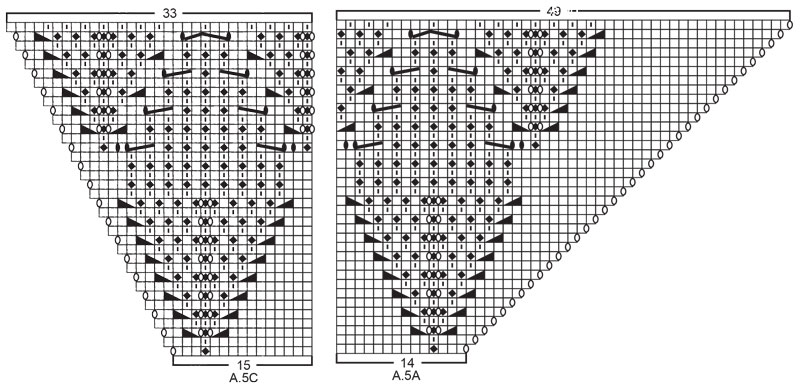
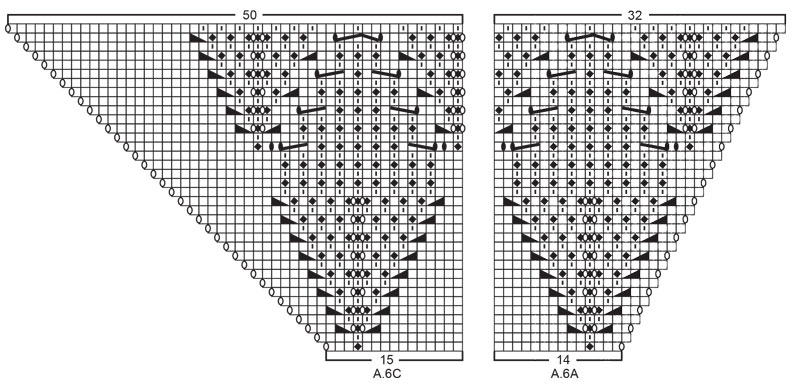
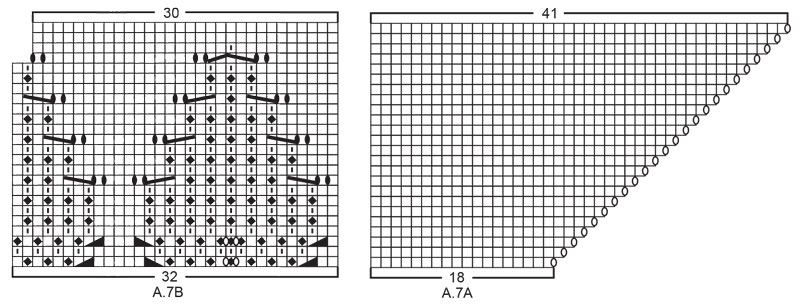
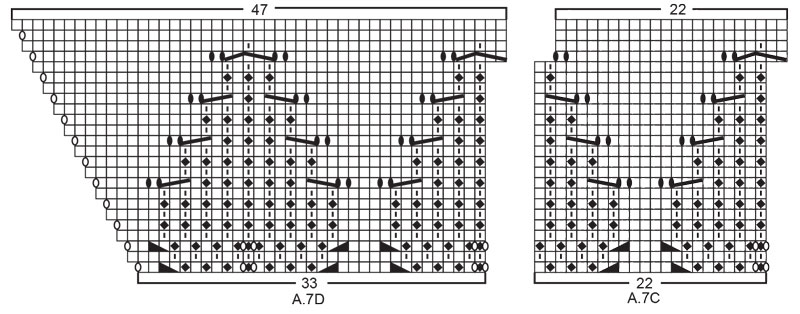
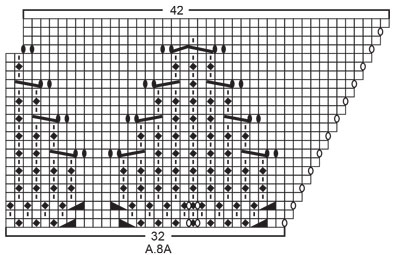
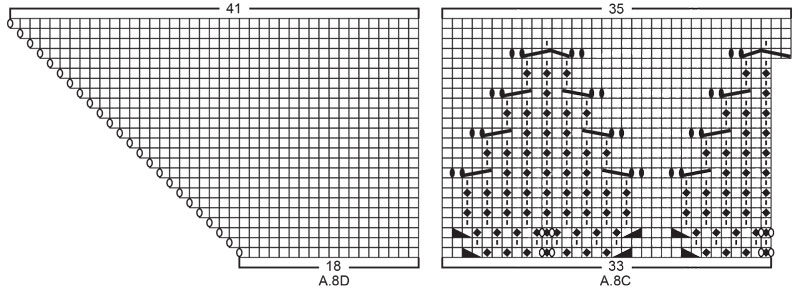
------------------------------------------------------- EXPLANATIONS FOR THE PATTERN: ------------------------------------------------------- RIDGE/GARTER STITCH (worked back and forth): Knit all rows. 1 ridge in height = Knit 2 rows. PATTERN: Hat: See diagrams A.1B and A.3B. Shawl: See diagrams A.1 to A.8. The diagrams show all rows in the pattern seen from the right side. DIAGRAM TIP: This pattern contains many diagrams; it might be a good idea to cut out all the diagrams and arrange them in the right order (see the order given in the text). INCREASE/DECREASE TIP (evenly spaced on hat): To work out how to increase/decrease evenly, count the total number of stitches on needle (e.g. 122 stitches) and divide by the number of increases/decreases to be made (e.g. 10) = 12.2. In this example, increase by making 1 yarn over after approx. each 12th stitch. On the next round work the yarn overs twisted to avoid holes. When decreasing, work together approx. each 11th and 12th stitch. INCREASE/DECREASE TIP (evenly spaced on shawl): To work out how to increase/decrease evenly on each side of the middle stitch, count the total number of stitches on needle (e.g. 81 stitches) minus the edge stitches and middle stitch (5 stitches) and divide the remaining stitches by 2 ( to find the number of stitches on each side of the middle stitch). Then divide these stitches by the number of increases/decreases to be made on each side (e.g. 18) = 2.1. In this example, increase by making 1 yarn over after approx. each 2nd stitch. Do not increase over edge stitches or middle stitch. When decreasing, work approximately all stitches together 2 and 2. ------------------------------------------------------- START THE PIECE HERE: ------------------------------------------------------- HAT – SHORT OVERVIEW OF THE PIECE: The piece is worked in the round with short circular needle, bottom up. Change to double pointed needles when necessary. HAT: Cast on 120-126 stitches with short circular needle size 2.5 mm and Alpaca. Knit 1 round. Then work rib in the round (= knit 1 / purl 1) for 5-6 cm. Knit 1 round where you increase 12-28 stitches evenly spaced – read INCREASE/DECREASE TIP = 132-154 stitches. Change to circular needle size 3 mm and work A.3B in the round (= 6-7 repeats of 22 stitches). REMEMBER THE KNITTING TENSION! When A.3B has been completed the piece measures approx. 16-17 cm from the cast-on edge. Knit 1 round where you increase 12-14 stitches evenly spaced = 144-168 stitches. Work A.1B. AT THE SAME TIME on the last round in A.1B decrease 16-24 stitches evenly spaced = 128-144 stitches. Work A.1B one more time in height. AT THE SAME TIME on the last round in A.1B knit all stitches together 2 and 2 = 64-72 stitches. Then work stocking stitch. AT THE SAME TIME, on every 2nd round, knit all stitches together 2 and 2 until there are 8 stitches left. Cut the strand, pull it through the remaining stitches, tighten and fasten well. The hat measures approx. 26-27 cm from the top down. ------------------------------------------------------- SHAWL - SHORT OVERVIEW OF THE PIECE: The piece is worked back and forth with circular needle, top down. Due to the number of stitches it might be a good idea to divide the piece onto several needles of the same size. SHAWL: Cast on 7 stitches with circular needle size 3 mm and Alpaca. Knit 1 row (= wrong side). Then work and increase as follows: ROW 1 (= right side): Work 2 edge stitches in GARTER STITCH – read description above, 1 yarn over, work 1 stitch in stocking stitch, 1 yarn over, 1 stitch in stocking stitch (= middle stitch), 1 yarn over, 1 stitch in stocking stitch, 1 yarn over and finish with2 edge stitches in garter stitch (= 4 stitches increased). ROW 2 (= wrong side): Work 2 edge stitches in garter stitch, 1 yarn over, work stocking stitch until there are 2 stitches left on the row (yarn overs purled to leave holes), 1 yarn over and finish with 2 edge stitches in garter stitch (= 2 stitches increased). ROW 3 (= right side): 2 edge stitches in garter stitch, 1 yarn over, work stocking stitch as far as the middle stitch, 1 yarn over, 1 stitch in stocking stitch (= middle stitch), 1 yarn over, work stocking stitch until there are 2 stitches left on the row, 1 yarn over and finish with 2 edge stitches in garter stitch (= 4 stitches increased). ROW 4 (= wrong side): 2 edge stitches in garter stitch, 1 yarn over, work stocking stitch until there are 2 stitches left on the row (yarn overs purled to leave holes), 1 yarn over and finish with 2 edge stitches in garter stitch (= 2 stitches increased). Repeat rows 3 and 4 until there are 83 stitches on the needle and the last row was worked from the right side. REMEMBER THE KNITTING TENSION! Work the next row in the same way as row 4 (= wrong side) and increase at the same time 17 stitches evenly spaced on each side of the middle stitch (34 stitches increased on row in addition to the increase worked inside the 2 edge stitches on each side) – read INCREASE/DECREASE TIP = 119 stitches on the needle. Work diagrams A.1 and A.2 as follows from the right side: Work 2 edge stitches in garter stitch, A.1A over 2 stitches (1 time in width), A.1B over 52 stitches (26 times in width), A.1C over 3 stitches (1 time in width), 1 stitch in stocking stitch (= middle stitch), work A.2A over 3 stitches, A.2B over 52 stitches (26 times in width), A.2C over 2 stitches and finish with 2 edge stitches in garter stitch. Continue this pattern. When the last row in A.1 and A.2 remains there are 159 stitches on the needle. Work the last row and at the same time decrease 5 stitches evenly spaced on each side of the middle stitch (10 stitches decreased evenly + 2 stitches increased in diagrams) – read INCREASE/DECREASE TIP = 151 stitches. Work diagrams A.3 and A.4 as follows from the right side: Work 2 edge stitches in garter stitch, A.3A over 14 stitches (1 time in width), A.3B over 44 stitches (2 times in width), work A.3C over 15 stitches (1 time in width), 1 stitch in stocking stitch (= middle stitch), work A.4A over 14 stitches, A.3B over 44 stitches (2 times in width), A.4C over 15 stitches and finish with 2 edge stitches in garter stitch. Continue this pattern. When the last row in A.3 and A.4 remains there are 263 stitches on the needle. Work the last row and, at the same time, increase 43 stitches evenly spaced on each side of the middle stitch (86 stitches increased evenly and 2 stitches increased in diagrams) = 351 stitches. Work diagrams A.1 and A.2 as follows from the right side: Work 2 edge stitches in garter stitch, A.1A over 2 stitches (1 time in width), A.1B over 168 stitches (84 times in width), work A.1C over 3 stitches (1 time in width), 1 stitch in stocking stitch (= middle stitch), A.2A over 3 stitches, A.2B over 168 stitches (84 times in width), work A.2C over 2 stitches and finish with 2 edge stitches in garter stitch. Continue this pattern. When the last row in A.1 and A.2 remains there are 391 stitches on the needle. Work the last row and increase at the same time 1 stitch on each side of the middle stitch (2 stitches increased evenly and 2 stitches increased in diagrams) = 395 stitches. Now work A.1 and A.2 one more time in height; i.e. work the next row from the right side as follows: 2 edge stitches in garter stitch, A.1A over 2 stitches (1 time in width), A.1B over 190 stitches (95 times in width), work A.1C over 3 stitches (1 time in width), 1 stitch in stocking stitch (= middle stitch), A.2A over 3 stitches, A.2B over 190 stitches (95 times in width), A.2C over 2 stitches and finish with 2 edge stitches in garter stitch. Continue this pattern. When the last row in A.1 and A.2 remains there are 435 stitches on the needle. Work the last row and decrease at the same time 11 stitches evenly spaced on each side of the middle stitch (22 stitches decreased evenly + 2 stitches increased in diagrams) = 415 stitches. Work diagrams A.5 and A.6 as follows from the right side: 2 edge stitches in garter stitch, A.5A over 14 stitches (1 time in width), work A.5B over 176 stitches (8 times in width), A.5C over 15 stitches (1 time in width), 1 stitch in stocking stitch (= middle stitch), A.6A over 14 stitches, A.5B over 176 stitches (8 times in width), A.6C over 15 stitches and finish with 2 edge stitches in garter stitch. Continue this pattern. When the last row in A.5 and A.6 is finished there are 523 stitches on the row. Work diagrams A.7 and A.8 as follows from the right side: 2 edge stitches in garter stitch, A.7A over 18 stitches (1 time in width), A.7B over 32 stitches (1 time in width), A.7C over 176 stitches (8 times in width), work A.7D over 33 stitches (1 time in width), 1 stitch in stocking stitch (= middle stitch), A.8A over 32 stitches, A.7C over 176 stitches (8 times in width), A.8C over 33 stitches, A.8D over 18 stitches and finish with 2 edge stitches in garter stitch. Continue this pattern. When the last row in A.7 and A.8 remain there are 593 stitches on the needle. Work the last row and increase at the same time 72 stitches evenly spaced on each side of the middle stitch (144 stitches increased evenly and 2 stitches increased in diagrams) = 739 stitches. Work diagrams A.1 and A.2 as follows from the right side: 2 edge stitches in garter stitch, A.1A over 2 stitches (1 time in width), A.1B over 362 stitches (181 times in width), A.1C over 3 stitches (1 time in width), 1 stitch in stocking stitch (= middle stitch), A.2A over 3 stitches, work A.2B over 362 stitches (181 times in width), A.2C over 2 stitches and finish with 2 edge stitches in garter stitch. Continue this pattern. When the last row in A.1 and A.2 remains there are 779 stitches on the row. Work the last row and increase at the same time 1 on each side of the middle stitch (2 stitches increased evenly and 2 stitches increased in diagrams) = 783 stitches. Now work A.1 and A.2 one more time in height; i.e. work as follows from the right side: 2 edge stitches in garter stitch, A.1A over 2 stitches (1 time in width), A.1B over 384 stitches (192 times in width), A.1C over 3 stitches (1 time in width), 1 stitch in stocking stitch (= middle stitch), A.2A over 3 stitches, work A.2B over 384 stitches (192 times in width), A.2C over 2 stitches and finish with 2 edge stitches in garter stitch. Continue this pattern. When the last row in A.1 and A.2 has been completed there are 825 stitches on the row. The piece measures approx. 65 cm measured along the middle stitch. Cast off as described below. ELASTIC CAST-OFF EDGE: To avoid the cast-off edge being tight, cast off with knit from the right side as follows: Knit 2, * insert the left needle in the 2 stitches on the right needle, from left to right and knit them together, knit 1 *, work from *-* until there is 1 stitch left on the row. Cut the strand and pull it through the last stitch. Fasten strands. SHAPING TIP: Moisten the piece and shape to the right measurements. |
|||||||||||||||||||||||||||||||
Diagram explanations |
|||||||||||||||||||||||||||||||
|
|||||||||||||||||||||||||||||||
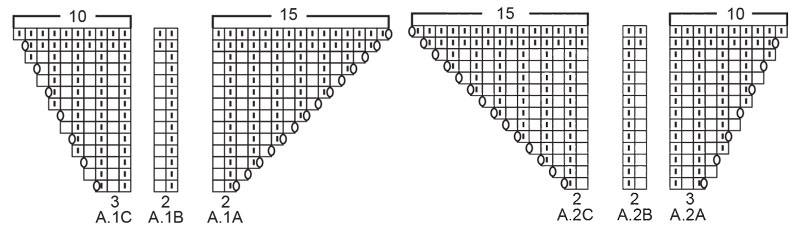 |
|||||||||||||||||||||||||||||||
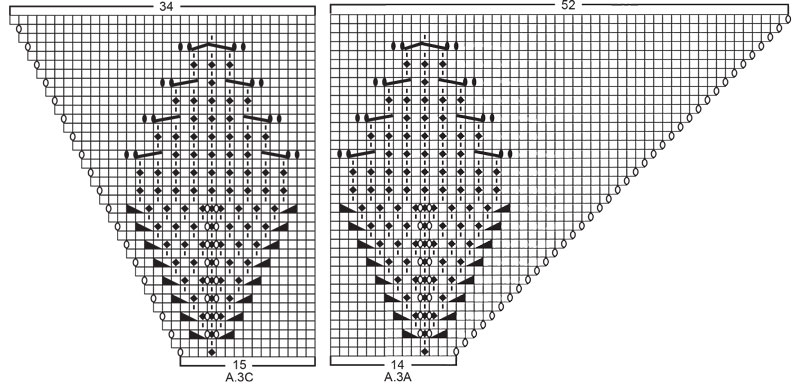 |
|||||||||||||||||||||||||||||||
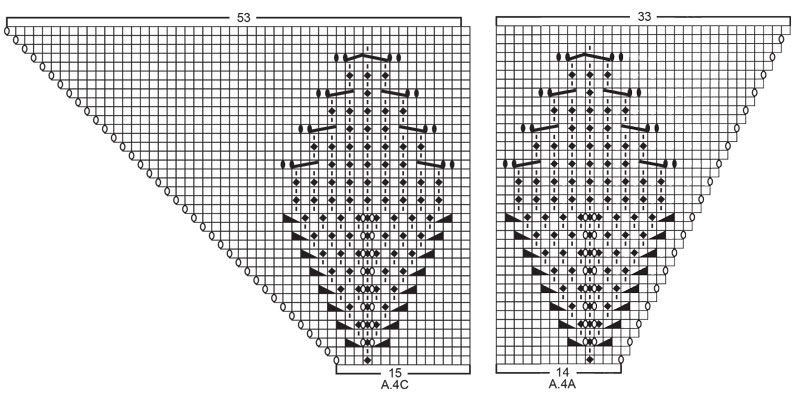 |
|||||||||||||||||||||||||||||||
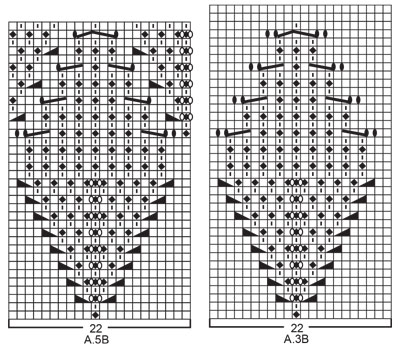 |
|||||||||||||||||||||||||||||||
 |
|||||||||||||||||||||||||||||||
 |
|||||||||||||||||||||||||||||||
 |
|||||||||||||||||||||||||||||||
 |
|||||||||||||||||||||||||||||||
 |
|||||||||||||||||||||||||||||||
 |
|||||||||||||||||||||||||||||||
Have you finished this pattern?Tag your pictures with #dropspattern #laceylaurelsshawl or submit them to the #dropsfan gallery. Do you need help with this pattern?You'll find 10 tutorial videos, a Comments/Questions area and more by visiting the pattern on garnstudio.com. © 1982-2026 DROPS Design A/S. We reserve all rights. This document, including all its sub-sections, has copyrights. Read more about what you can do with our patterns at the bottom of each pattern on our site. |
|||||||||||||||||||||||||||||||

With over 40 years in knitting and crochet design, DROPS Design offers one of the most extensive collections of free patterns on the internet - translated to 17 languages. As of today we count 333 catalogues and 12525 patterns translated into English (UK/cm). 12525
We work hard to bring you the best knitting and crochet have to offer, inspiration and advice as well as great quality yarns at incredible prices! Would you like to use our patterns for other than personal use? You can read what you are allowed to do in the Copyright text at the bottom of all our patterns. Happy crafting!
Post a comment to pattern DROPS 203-14
We would love to hear what you have to say about this pattern!
If you want to leave a question, please make sure you select the correct category in the form below, to speed up the answering process. Required fields are marked *.