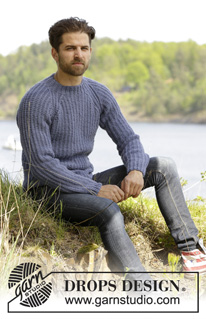
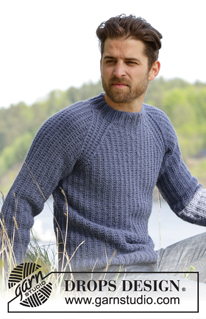
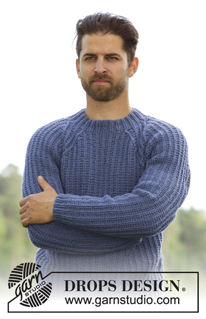
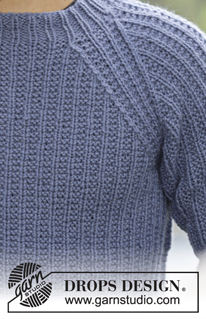
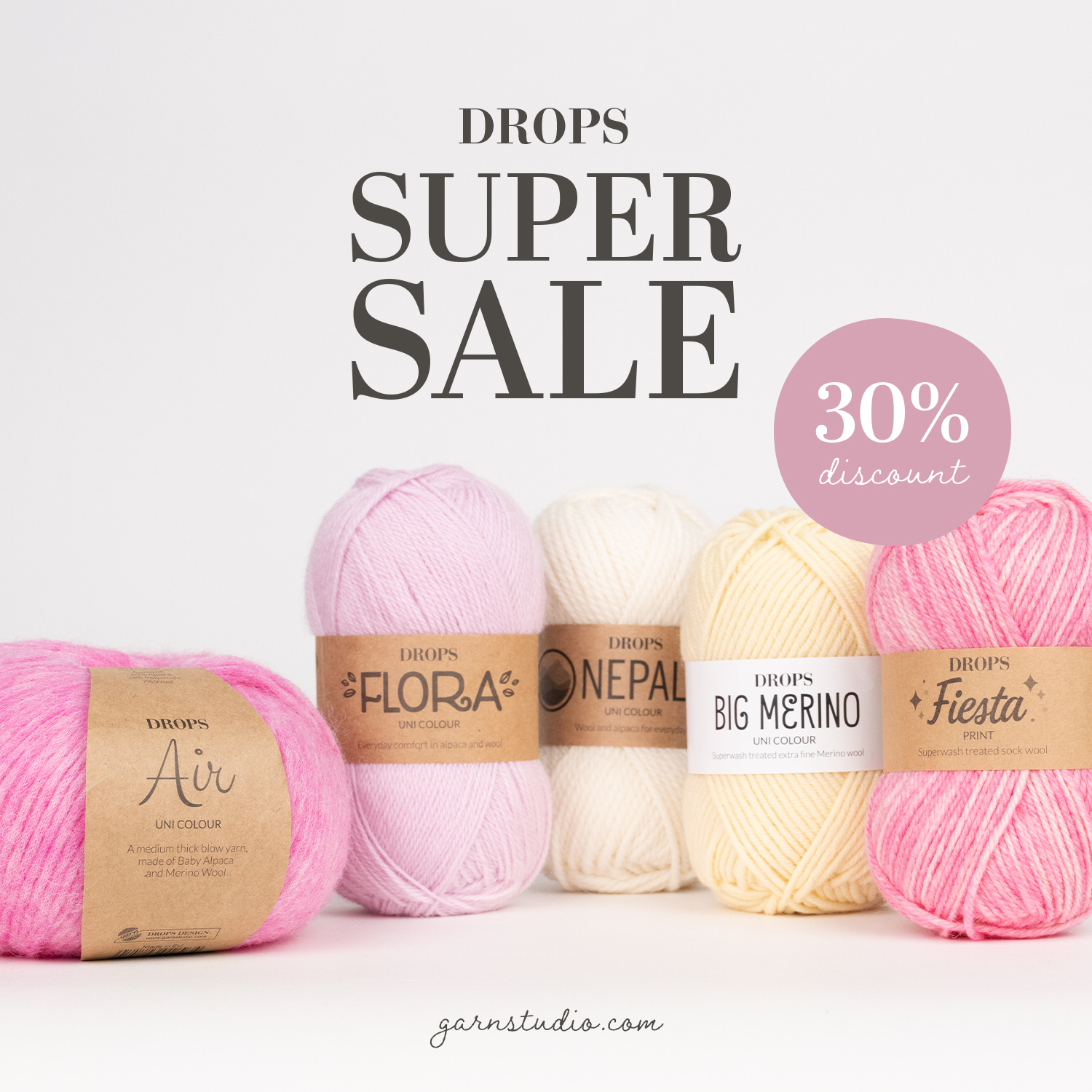
DROPS Super Sale - SAVE 30% on 5 popular yarns!
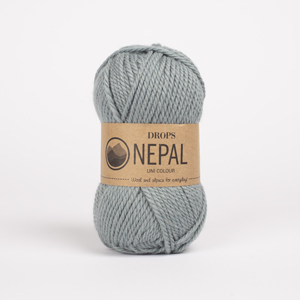
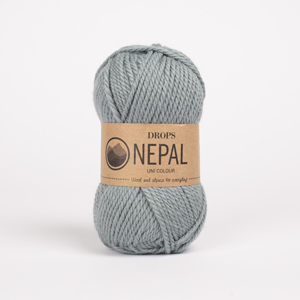
DROPS Nepal
65% Wool, 35% Alpaca
from 2.60 € /50g
Get the yarn to make this pattern from 33.80€.

The yarn cost is calculated from the pattern’s smallest size and the yarn’s cheapest product type. Looking for an even better price? You might find it on the DROPS Deals!

Highlight Size:
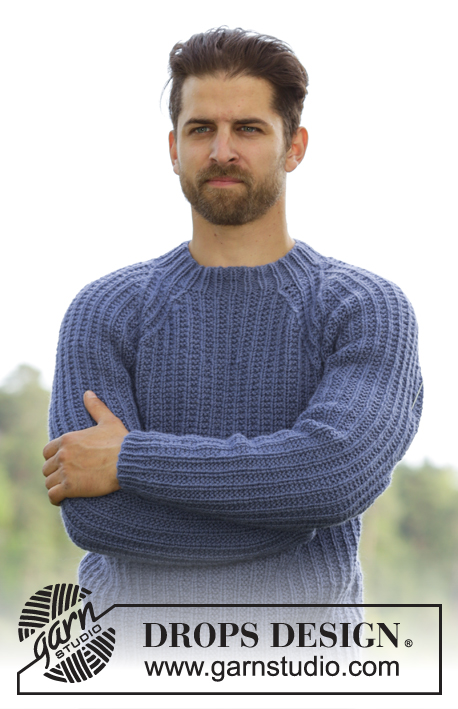
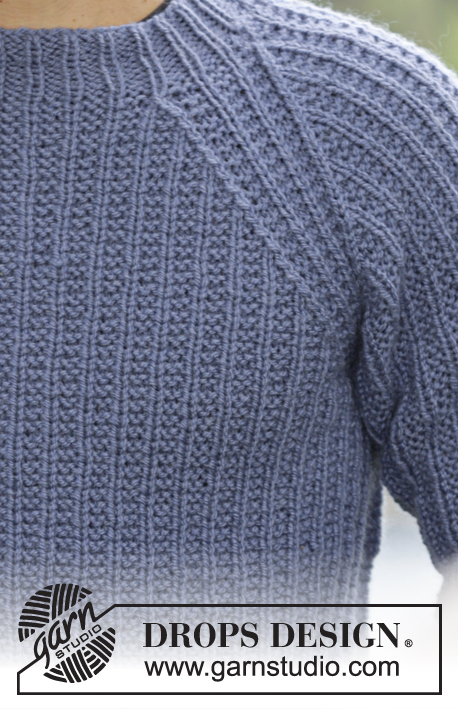
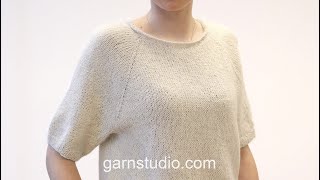
DROPS 174-14

#twinriversweater

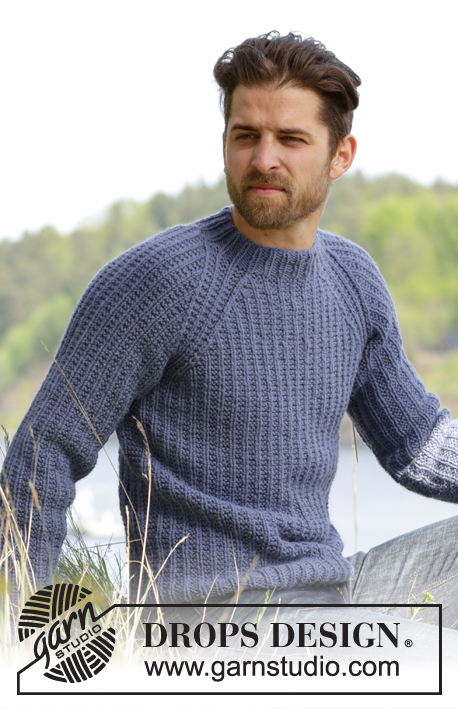
DROPS design: Pattern no ne-236

Yarn group C or A + A
----------------------------------------------------------
Size: S - M - L - XL - XXL - XXXL
Materials:
DROPS NEPAL from Garnstudio
650-750-800-900-1000-1100 g colour no 6314, denim blue

DROPS DOUBLE POINTED NEEDLES AND CIRCULAR NEEDLE (60 or 80 cm) SIZE 5 mm - or size needed to get 17 sts x 24 rows in pattern A.1 = 10 x 10 cm.
----------------------------------------------------------

-------------------------------------------------------

Alternative Yarn – See how to change yarns here
Yarn Groups A to F – Use the same pattern and change the yarn here
Yarn usage using an alternative yarn – Use our yarn converter here

-------------------------------------------------------

You might also like...

DROPS Nepal
65% Wool, 35% Alpaca
from 2.60 € /50g
Get the yarn to make this pattern from 33.80€.

The yarn cost is calculated from the pattern’s smallest size and the yarn’s cheapest product type. Looking for an even better price? You might find it on the DROPS Deals!

Pattern instructions

NOTE: This pattern is written in British English. All measurements in charts are in cm. Convert from cm to inches here. There are different terms for crocheting in British and American English. If this pattern includes crochet, convert "crochet terms" here. See this pattern in American English here..
PATTERN:
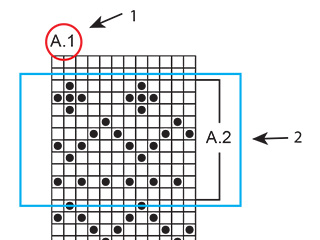
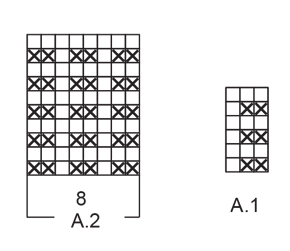
See diagrams A.1 and A.2.

RAGLAN:
Dec as follows before A.2: Work until 2 sts remain before A.2, K the next 2 tog.
Dec as follows after A.2: Slip 1 st as if to K, K 1, psso

INCREASE TIP (BODY):
Inc 4 sts on round as follows:
Work until 1 st remains before marker in the side, 1 YO, work 2 sts in garter st, 1 YO (= 2 sts inc). Repeat inc in the other side of piece.
On next round work YO twisted to avoid holes. Work the new sts in garter st.

INCREASE TIP (SLEEVE):
Inc as follows mid under sleeve:
Work until 1 st remains before marker, 1 YO, work 2 sts in garter st, 1 YO. On next round work YO twisted to avoid holes. Work the inc sts gradually in the pattern. NOTE: Work sts on each side of marker in garter st.

RAGLAN DEC (ELEVATION):
All dec are done from RS!
Dec as follows after A.2: K 3 twisted tog.
Dec as follows before A.2: Work until 3 sts remain before A.2, K 3 tog.
----------------------------------------------------------

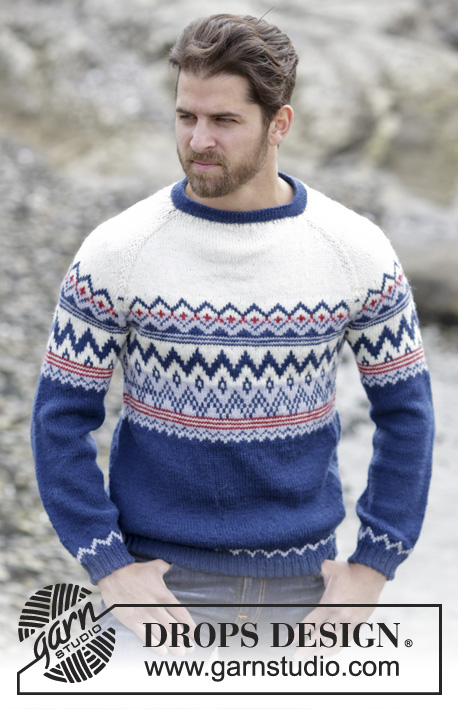
JUMPER:
Worked in the round.

BODY:
Cast on 150-162-168-192-210-234 sts with Nepal on circular needle size 5 mm. * P 1, (K 1, P 2), repeat from (-) 23-25-26-30-33-37 more times, K 1, P 1, insert a marker here (= side) *, repeat from *-* 1 more time. NOTE: Move the markers upwards when working. Continue rib in the round like this until piece measures 4 cm. Now work pattern A.1 as follows: Work the last 2 sts in A.1, then repeat A.1 the entire round until 1 st remains on round, work the first st in A.1. REMEMBER THE KNITTING TENSION When piece measures 13-13-14-14-15-15 cm, inc 1 st on each side of each marker – see INCREASE TIP (BODY). Repeat inc when piece measures 27-28-29-29-30-30 cm = 158-170-176-200-218-242 sts. When piece measures 41-41-42-42-42-42 cm (adjust so that next round worked is 2nd round in A.1), cast off sts for armholes as follows: Cast off the first 5 sts on round, work the next 69-75-78-90-99-111 sts, cast off the next 10 sts for armhole, work the next 69-75-78-90-99-111 sts, cast off the remaining 5 sts. Cut the yarn. Put piece aside and knit the sleeves.

SLEEVE:
Work sleeves in the round on double pointed needles.
Cast on 42-42-42-48-48-48 sts with Nepal on double pointed needles size 5 mm. Insert a marker at beg of round = mid under sleeve. Work rib as follows: P 1, K 1, * P 2, K 1 *, repeat from *-* until 1 st remains on round, P 1. Continue like this in the round until rib measures 4 cm. Now work pattern as follows: Work the last 2 sts in A.1, A.1 until 1 st remains on round, work the first st in A.1. When piece measures 9-8-7-6-10-9 cm, inc 1 st on each side of marker – see INCREASE TIP (SLEEVE). Inc like this approx. every 13th-9th-7th-7th-6th-5th round 8-11-14-14-14-17 times in total = 58-64-70-76-76-82 sts. When piece measures 51-50-49-48-47-46 cm - adjust so that next round worked is 2nd round in A.1, cast off the middle 10 sts under sleeve (= 5 sts on each side of marker) = 48-54-60-66-66-72 sts. Knit another sleeve the same way.

YOKE:
Slip sleeves on to same circular needle size 5 mm as body where armholes were cast off = 234-258-276-312-330-366 sts. This is done without working the sts. Insert a marker in every transition between sleeves and body = 4 markers. Beg round on back piece, 4 sts after marker between sleeve and back piece.
Now continue pattern as before and work in addition A.2 (= 8 sts) in every transition between body and sleeves (markers are in the middle of A.2). On next round start dec for RAGLAN – see explanation above! NOTE: Dec differently on body and sleeves as follows:
RAGLAN BODY:
Dec every other round 21-24-24-24-26-26 times and then every round 0-0-0-6-7-13 times (= 21-24-24-30-33-39 times in total).
RAGLAN SLEEVES:
Dec every 4th round 6-6-4-3-5-5 times and then every other round 9-12-17-21-19-22 times (= 15-18-21-24-24-27 times in total).

When all dec are done, 90-90-96-96-102-102 sts remain on round (= 144-168-180-216-228-264 sts in total dec).

Now work pattern as before over the first 72-72-78-78-84-84 sts. Insert marker here (= between A.2 and right sleeve). Then work an elevation back and forth in neck in pattern as before AT THE SAME TIME dec for raglan on every row from RS over the sts worked – READ RAGLAN DEC (ELEVATION) as follows: NOTE: Tighten yarn at every turn to avoid holes.
ROW 1 (= RS): Work 55-55-58-58-61-61 sts (including the 8 dec sts),
ROW 2 (= WS): Turn and work 45-45-48-48-51-51 sts,
ROW 3: Turn and work 43-43-46-46-49-49 sts (including the 8 dec sts),
ROW 4: Turn and work 33-33-36-36-39-39 sts.
There are now 74-74-80-80-86-86 sts on round.
Turn and continue in the round with rib as follows: Work K over K and P over sts in garter st until rib measures 4 cm. Cast off sts with K over K and P over P. Jumper measures 64-66-68-70-72-74 cm from cast-on edge and up to shoulder. Fasten off.

ASSEMBLY:
Sew the openings under the sleeves.

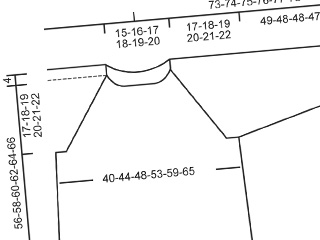
Diagram

K = K
P = P
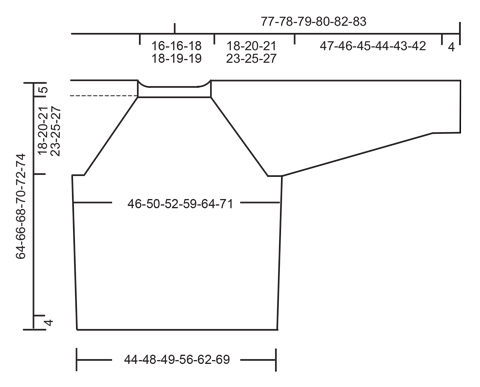
Diagram for DROPS 174-14
Do you have a question? See a list of frequently asked questions (FAQ)

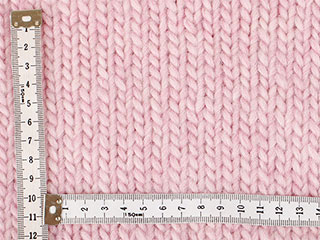
Knitting tension is what determines the final measurements of your work, and is usually measured per 10 x 10 cm. It is provided like so: number of stitches in width x number of rows in height - eg: 19 stitches x 26 rows = 10 x 10 cm.

The knitting tension is very individual; some people knit/crochet loosely while others work tightly. You adjust the knitting tension with the needle size, which is why the suggested needle size is only meant as a guide! You need to adjust this (up or down) to ensure that YOUR knitting tension matches the knitting tension provided in the pattern. If you work with a different knitting tension than provided you will have a different yarn consumption, and your work will have different measurements than what the pattern suggests.

The knitting tension also determines which yarns can replace each other. As long as you achieve the same knitting tension you can replace one yarn with another.

See DROPS lesson: How to measure your tension/gauge

See DROPS video: How to make a gauge tension swatch

The required amount of yarn is provided in grams, eg: 450 g. To calculate how many balls you’ll need you first need to know how many grams are in 1 ball (25g, 50g or 100g). This information is available if you click on the individual yarn quality on our pages. Divide the amount required with the amount of each ball. For example, if each ball is 50g (the most common amount), the calculation will be as follows: 450 / 50 = 9 balls.

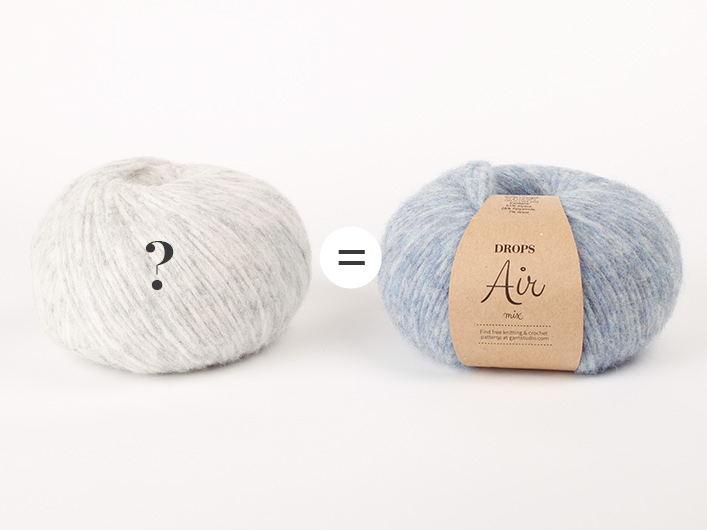
The important thing when changing from one yarn to another is that the knitting/crochet tension remains the same. This is so that the measurements of the finished piece will be the same as on the sketch provided. It is easier to achieve the same knitting tension using yarns from the same yarn group. It is also possible to work with multiple strands of a thinner yarn to achieve the knitting tension of a thicker one. Please try our yarn converter. We recommend you to always work a test swatch.

Please NOTE: when changing yarn the garment might have a different look and feel to the garment in the photo, due to individual properties and qualities of each yarn.

See DROPS lesson: Can I use a different yarn than the one mentioned in the pattern?

All our yarns are categorised into yarn groups (from A to F) according to thickness and knitting tension – group A contains the thinnest yarns and group F the thickest. This makes it easier for you to find alternative yarns to our patterns, should you wish to switch yarn. All yarns within the same group have a similar knitting tension and can easily replace each other. However, different yarn qualities have different structures and properties which will give the finished work a unique look and feel.

Click here for an overview of the yarns in each yarn group

At the top of all our patterns you’ll find a link to our yarn calculator, which is a helpful tool should you wish to use a different yarn than suggested. By filling in the yarn quality you wish to replace, the amount (in your size) and number of strands, the calculator will present good alternative yarns with the same knitting tension. Additionally it will tell you how much you’ll require in the new qualities and whether you’ll need to work with multiple strands. Most skeins are 50g (some are 25g or 100g).

If the pattern is worked with multiple colours, every colour will have to be calculated separately. Similarly, if the pattern is worked with several strands of different yarns (for example 1 strand Alpaca and 1 strand Kid-Silk) you will have to find alternatives for each, individually.

Click here to see our yarn calculator

Since different yarns have different qualities and textures we have chosen to keep the original yarn in our patterns. However, you can easily find options among our available qualities by using our yarn calculator, or simply pick a yarn from the same yarn group.

It is possible that some retailers still have discontinued yarns in stock, or that someone has a few skeins at home that they would like to find patterns for.

The yarn calculator will provide both alternative yarn as well as required amount in the new quality.

If you think it's hard to decide what size to make, it can be a good idea to measure a garment you own already and like the size of. Then you can pick the size by comparing those measures with the ones available in the pattern's size chart.

You'll find the size chart at the bottom of the pattern.

See DROPS lesson: How to read size chart

The needle size provided in the pattern serves only as a guide, the important thing is to follow the knitting tension. And since knitting tension is very individual, you will have to adjust the needle size to ensure that YOUR tension is the same as in the pattern – maybe you’ll have to adjust 1, or even 2 needle sizes, up or down to achieve the correct tension. For this, we recommend that you work test swatches.

Should you work with a different knitting tension than the one provided, the measurements of the finished garment might deviate from the measurement sketch.

See DROPS lesson: How to measure your tension/gauge

See DROPS video: How to make a tension/gauge swatch

Working a garment top-down provides more flexibility and room for personal adjustment. For example it is easier to try the garment on while working, as well as making adjustments to length of yoke and shoulder caps.

The instructions are carefully explaining every step, in the correct order. Diagrams are adjusted to the knitting direction and are worked as usual.

The diagram depicts all rows/rounds, and every stitch seen from the right side. It is read from bottom to top, from right to left. 1 square = 1 stitch.

When working back and forth, every other row is worked from the right side and every other row is worked from the wrong side. When working from the wrong side, the diagram will have to be worked reversed: from left to right, knit stitches are purled, purl stitches are knit etc.

When working in the round every round is worked from the right side and the diagram are worked from right to left on all rounds.

See DROPS lesson: How to read knitting diagrams

The diagram depicts all rows/rounds, and every stitch seen from the right side. It is worked from bottom to top, from right to left.

When working back and forth every other row is worked from the right side: from right to left and every other row is worked from the wrong side: from left to right.

When working in the round, every row in the diagram are worked from the right side, from right to left.

When working a circular diagram you start in the middle and work your way outwards, counter clockwise, row by row.

The rows usually start with a given number of chain stitches (equivalent to the height of the following stitch), this will either be depicted in the diagram or explained in the pattern.

See DROPS lesson: How to read crochet diagrams

Instructions for working several diagrams after each other on the same row/round, will often be written like so: “work A.1, A.2, A.3 a total of 0-0-2-3-4 times". This means you work A.1 once, then A.2 is worked once, and A.3 is repeated (in width) the number of times provided for your size – in this case like so: S = 0 times, M = 0 times, L=2 times, XL= 3 times and XXL = 4 times.

The diagrams are worked as usual: begin with the first row in A.1, then work the first row in A.2 etc.

See DROPS lesson: How to read knitting diagrams

See DROPS lesson: How to read crochet diagrams

The total width of the garment (from wrist-to-wrist) will be larger in the larger sizes, despite the actual sleeves being shorter. The larger sizes have longer sleeve caps and wider shoulders, so there will be a good fit in all sizes.

The measurement sketch/schematic drawing provides information regarding the full length of the garment. If it’s a jumper or a jacket the length is measured from the highest point on the shoulder closest to the neckline, and straight down to the bottom of the garment. It is NOT measured from the tip of shoulder. Similarly, the length of yoke is measured from the highest point on the shoulder and down to where yoke is split into body and sleeves.

On a jacket measures are never taken along bands, unless specifically stated. Always measure inside band stitches when measuring the length.

See DROPS lesson: How to read a schematic drawing

Diagrams are often repeated on the round or in height. 1 repeat is the diagram the way it appears in the pattern. If it says to work 5 repeats of A.1 in the round, then you work A.1 a total of 5 times after/next to each other in the round. If it says to work 2 repeats of A.1 vertically/in height you work the entire diagram once, then begin again at the start and work the entire diagram one more time.

Chain stitches are slightly narrower than other stitches and to avoid working the cast-on edge too tight, we simply chain more stitches to begin with. The stitch count will be adjusted on the following row to fit the pattern and measurement sketch.

The rib edge is more elastic and will contract slightly compared to, for example, stocking stitch. By increasing before the rib edge, you avoid a visible difference in width between the rib edge and the rest of the body.

It’s very easy to cast off too tightly, and by making yarn overs while casting off (and simultaneously casting these off) you avoid a too tight cast off edge.

See DROPS video: How to bind off with yarn overs (yo)

To achieve an even increase (or decrease) you can increase on, for example: every 3rd and 4th row alternately, like so: work 2 rows and increase on the 3rd row, work 3 rows and increase on the 4th. Repeat this until the increase is complete.

See DROPS lesson: Increase or decrease 1 st on every 3rd and 4th row alternately

Should you prefer to work in the round instead of back and forth, you may of course adjust the pattern. You’ll need to add steeks mid-front (usually 5 stitches), and follow the instructions. When you would normally turn and work from the wrong side, simply work across the steek and continue in the round. At the end you’ll cut the piece open, pick up stitches to work bands, and cover the cut edges.

See DROPS video: How to knit steeks and cut open

Should you prefer to work back and forth instead of in the round, you may of course adjust the pattern so you work the pieces separately and then assemble them at the end. Divide the stitches for the body in 2, add 1 edge stitch in each side (for sewing) and work the front and back pieces separately.

See DROPS lesson: Can I adapt a pattern for circular needles into straight needles?

Pattern repeats can vary slightly in the different sizes, in order to get the correct proportions. If you’re not working the exact same size as the garment in the photo, yours might deviate slightly. This has been carefully developed and adjusted so that the complete impression of the garment is the same in all sizes.

Make sure to follow instructions and diagrams for your size!

If you have found a pattern you like which is available in women’s size it’s not very difficult to convert it to men’s size. The biggest difference will be the length of sleeves and body. Start working on the women size that you think would fit across the chest. The additional length will be worked right before you cast off for the armhole/sleeve cap. If the pattern is worked top-down you can add the length right after the armhole or before the first decrease on sleeve.

Regarding additional yarn amount, this will depend on how much length you add, but it is better with a skein too many than too few.

All yarns will have excess fibres (from production) that might come off as lint or shedding. Brushed yarns (ie hairier yarns) have more of these loose, excess fibres, causing more shedding.

Shedding also depends on what is worn under or over the garment, and whether this pulls at the yarn fibres. It’s therefore not possible to guarantee that there will be no shedding

Below are some tips on how to get the best result when working with hairier yarns:

1. When the garment is finished (before you wash it) shake it vigorously so the looser hairs come off. NOTE: do NOT use a lint roller, brush or any method that pulls at the yarn.

2. Place the garment in a plastic bag and put it in your freezer - the temperature will cause the fibres to become less attached to each other, and excess fibres will come off easier.

3. Leave in the freezer for a few hours before taking it out and shaking it again.

4. Wash the garment according to the instructions on the yarn label.

Pilling is a natural process that happens to even the most exclusive of fibers. It's a natural sign of wear and tear that is hard to avoid, and that is most visible in high friction areas of your garment like a sweater's arms and cuffs.

You can make your garment look as new by removing the pilling, using a fabric comb or a pill/lint remover.

Still can't find the answer you need? Then scroll down and leave your question so one of our experts can try to help you. This will be done normally within 5 to 10 working days.
In the meantime, you can read the questions and answers that others have left to this pattern or join the DROPS Workshop on Facebook to get help from fellow knitters/crocheters!

Post a comment to pattern DROPS 174-14

We would love to hear what you have to say about this pattern!

If you want to leave a question, please make sure you select the correct category in the form below, to speed up the answering process. Required fields are marked *.

Comments / Questions (247)

country flag Grenier wrote:

Bonsoir Je ne comprends pas la différence entre A1 et A2 Je suis arrivée au moment où l’on rassemble les manches au corps Merci de votre réponse Grenier Roselyne

10.02.2026 - 17:36

DROPS Design answered:

Bonjour Roselyne, A.2 correspond aux mailles des raglans = les 4 dernières mailles du dos/de chaque manche/ du devant + les 4 premières mailles de la manche/du devant/du dos. Ces 8 mailles doivent toujours être tricotées ainsi, comme dans A.2, en diminuant pour le raglan, vous allez diminuer le nombre de mailes de A.1 tricoté entre ces A.2, veillez juste bien à ajuster A.1 pour que les côtes continuent en hauteur sans les "briser". Bon tricot!

10.02.2026 - 18:18

country flag Bertorello wrote:

Bonjour, Pour les manches j' ai pris le modèle avec 48m et pour le corps j' ai pris le modèle xL. Je lui ai essayé le pull tout va bien . Après toutes les diminutions il me reste 102m c est a dire : 42m pour le dos et devant 9m pour chaque manche. 1) je dois partir à 4 mailles deA2 après la manche droite et tricote 84 m , j arrive juste au 4m avant deA2 de la manche . Est ce que c'est ça? Pouvez me détailler le reste . Merci

10.02.2026 - 13:27

DROPS Design answered:

Bonjour Mme Bertorello, lorsque vous avez tricoté le dernier tour de diminutions, tricotez encore 84 mailles (sans diminuer), placez un marqueur, vous devez être à la transition entre A.2 et la manche droite. Vous tricotez maintenant les rangs raccourcis en diminuant comme indiqué sous DIMINUTIONS RAGLAN (RÉ-HAUSSE). Bon tricot!

10.02.2026 - 17:58

country flag Bertorello wrote:

Bonjour, Merci pour la réponse. Une fois toutes les dimensions faites , j ai 102m. . Je dois tricoter 84m mettre le marqueur avant les 4 m fantaisie A2 de la manche droite . Ensuite je ne comprends pas ce que je dois faire après les 84m. SVP de l aide je lis et relis , mais je ne comprends pas.merci de me détailler ce que je dois faire après les 84m.

09.02.2026 - 20:49

DROPS Design answered:

Bonjour Mme Bertorello, les rangs raccourcis vont commencer ici, à partir du marqueur que vous avez mis après les 84 premières mailles du tour. Vous tricotez maintenant 61 m (en diminuant comme indiqué pour les diminutions du raglan), tournez tricotez 51 m, tournez tricotez 49 m (en diminuant pour le raglan), tournez et tricotez 39 m. En ajoutant les mailles non tricotées, il doit vous rester 86 m. (soit 102 mailles - 2 x 8 mailles diminuées = 86 m au total). Bon tricot!

10.02.2026 - 17:40

country flag Bertorello wrote:

Bonsoir Je suis au niveau du raglan pour les manches . Entre les 2 marqueurs il me reste 8m et je dois en diminuer encore 2m. Comment faut il faire ? Car je me trouve dans le point fantaisie A2 . ( Les 4 m avant et après le marqueur) . Merci

08.02.2026 - 23:30

DROPS Design answered:

Bonjour Mme Bertorello, le raglan des manches se tricote de la même façon que celui du dos/du devant (que l'on fait en même temps, mais à un rythme différent, vous allez ainsi simplement diminuer le nombre de mailles de A.1 après A.2 (début manches, dos, devant) et avant A.2 (fin manches, dos, devant). Veillez juste à bien tricoter les mailles restantes de A.1 comme avant pour ne pas "briser" les côtes. Bon tricot!

09.02.2026 - 09:12

country flag Bertorello wrote:

Merci pour l explication. Pour le raglan , je suis aux diminutions. A 4 mailles du marqueur donc la 5eme m je la glisse et je tricote la suivante à l endroit puisque ma diminution se trouve sur l endroit et je passe la m glissée par dessus la m tricoté, je me retrouve avec sur l aiguille après les 4 m du marqueur 1m endroit ( diminution) 1 m envers et 1 m endroit . Est ce normal, je n ai plus le motif 1 m endroit 2m envers etc.... Merci

06.02.2026 - 17:13

DROPS Design answered:

Bonjour Mme Bertorello, vous diminuez les mailles de A.1 (pas celles de A.2), donc au début du tour, vous tricotez 3 m ens torse à l'endroit, vous continuez A.1 comme avant jusqu'à ce qu'il reste 3 m avant le A.2 suivant et vous tricotez 3 m ens à l'end, puis A.2, vous continuez ainsi à chaque A.2/raglan. Les mailles de A.1 doivent continuer comme avant et pas suivre celles de A.2, autrement dit, pour le dos, le devant et les manches, vous devez toujours conserver les côtes comme dans A.1 (2 m point mousse, 1 m end), indépendamment des mailles de A.2 qui se tricoteront elle toujours pareil (et sans diminuer). Bon tricot!

06.02.2026 - 17:24

country flag Britta wrote:

Hallo liebes Drops Team In der Anleitung Rumpfteil wird beschrieben, wo ein Maschenmarkierer gesetzt wird . Dieser markiert die Seite. Es müssten aber 2 Markierer vorhanden sein für die späteren Zunahmen Rumpfteil. Oder ist der Rundenbeginn der erste Markierer? So hätte ich auf der einen Seite 79 Maschen und auf der anderen Seite 89 = 168 für Größe L. Ich hoffe Ihr könnt mir schnell helfen. Liebe Grüße Britta 🤗

06.02.2026 - 16:36

DROPS Design answered:

Liebe Britta, Sie stricken ja das, was zwischen den Sternchen steht, also von *-*, noch 1 x, d.h. Sie bringen auch noch einen zweiten Markierer an, denn das Setzen des Markierers ist ja zwischen den Sternchen auch enthalten. Viel Spaß beim Stricken!

06.02.2026 - 22:32

country flag Bertorello wrote:

Bonjour, Je ne comprends pas. Sur l aiguille, j ai 1 marqueur les 48 mailles des manches marqueur , 90m dos Marqueur 48 m des manches marqueur 90 m du devant . Pour l empiècement, après mes 48m des manches , j' ai un marqueur . Je commence 4m après le marqueur côté dos je tricote en point fantaisie 1 mais quand faut il faire le point fantaisie A2. . Merci

04.02.2026 - 20:56

DROPS Design answered:

Bonjour Mme Bertorello, (en S) commencez le tour 4 m après le début du dos, tricotez les 61 m suiv comme avant (A.1), tricotez les 8 m de A.2 (= 4 dernières m du dos+ 4 premières m de la manche), tricotez les 40 m suiv de la manche en A.1 comme avant, tricotez les 8 m de A.2 (= 4 dernières m de la manche + 4 premières m du devant),tricotez les 61 m suiv du devant comme avant en A.1, tricotez les 8 m de A.2 (= 4 dernières m du devant + 4 premières m de la manche), tricotez les 40 m suivantes de la manche en A.1 comme avant, et tricotez ensuite les 8 m de A.2 ( les 4 dernières m de la manche + les 4 premières m du dos)=61+8+40+8+61+8+40+8=234. Bon tricot!

06.02.2026 - 16:28

country flag Grenier wrote:

C'est fomlzge que je ne puisse oas envoyer une photo qui serait plus explicite Quand j’enleve 5 mailles pis 10 mailles cela ne tombe pas au même niveau que les augmentations du dos et du devant il y a un décalage :quand on regarde verticalement l’ouvrage les mailles diminuées ne sont pas au même niveau que les mailles que l’on a augmenté precedemment

04.02.2026 - 09:37

DROPS Design answered:

Bonjour Mme Grenier, vous en êtes à la séparation dos/devant? vous devez rabattre les 5 premières mailles du début du tour, tricoter ensuite jusqu'à ce qu'il reste 5 m avant le marqueur suivant, rabattez 10 mailles (=5 m de chaque côté du marqueur), tricotez jusqu'à ce qu'il reste 5 mailles et rabattez ces 5 dernières mailles = vous avez bien la symétrie parfaite car les augmentations ont été faites de chaque côté de chaque marqueur et vous avez rabattu 5 m de chaque côté de chaque marqueur. Bon tricot!

04.02.2026 - 17:42

country flag Bertorello wrote:

Bonjour, taille s lorsque toutes les mailles dos devant et manches sont sur les aiguilles. On doit faire A2 à chaque transition. Est ce que les 48 m des manches sont en point fantaisie A2 . Ou on prend juste. Les 4 premières et dernières des manches plus les 4 du dos ou du devant pour faire 8 m. On doit faire le raglan . Diminuer 24 fois tous les 2 tours le point fantaisie 2 va disparaitre. Merci pour votre reponse

04.02.2026 - 00:45

DROPS Design answered:

Bonjour Mme Bertorello, A.2 se tricote sur les 4 dernières mailles + les 4 mailles suivantes à chaque transition (8 mailles, le marqueur est au milieu); vous commencez après A.2 = après les 4 premières mailles du dos; vous tricotez ensuite le point fantaisie des manches, du dos et du devant comme avant pour ne pas modifier le point principal, il va diminuer avant et après chaque A.2, c'est donc le point fantaisie A.11 qui doit disparaître, pas le A.2 qui n'est tricoté qu'aux raglans. Bon tricot!

04.02.2026 - 17:31

country flag Grenier wrote:

Bonjour, je suis arrivée au moment où l’on doit former les emmanchures rabattre 10 mailles 5 mailles cela ne tombe pas en face des augmentations dos et devant est ce normal ?merci de votre réponse

02.02.2026 - 16:28

DROPS Design answered:

Bonjour Mme Grenier, lorsque vous placez le dos, le devant et les manches sur la même aiguille circulaire, vous allez tricoter A.2 à chaque transition, les autres mailles se tricoteront comme avant pour continuer le motif. Bon tricot!

02.02.2026 - 17:19