
Popular categories
Looking for a yarn?
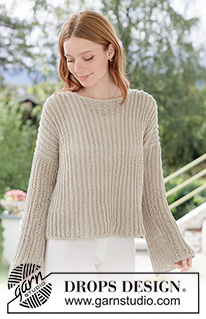
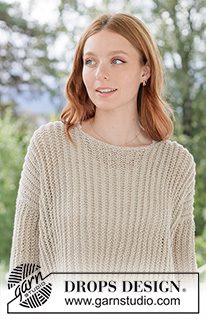
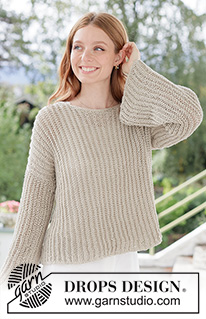
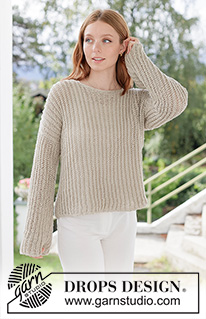






|
|
Spell of Summer Sweater#spellofsummersweater |
|
 |
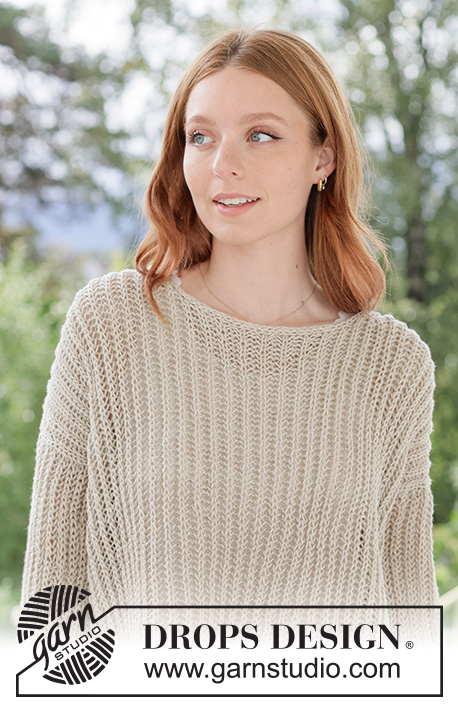 |
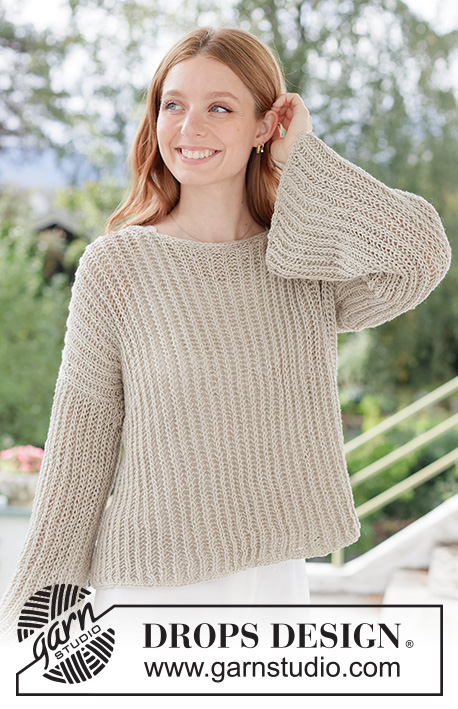
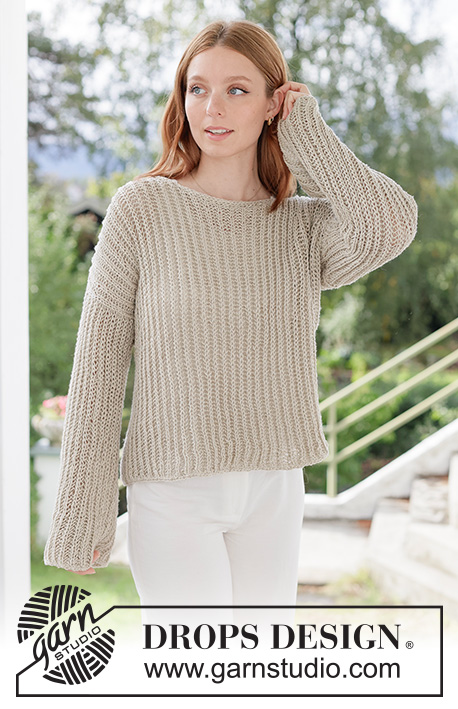
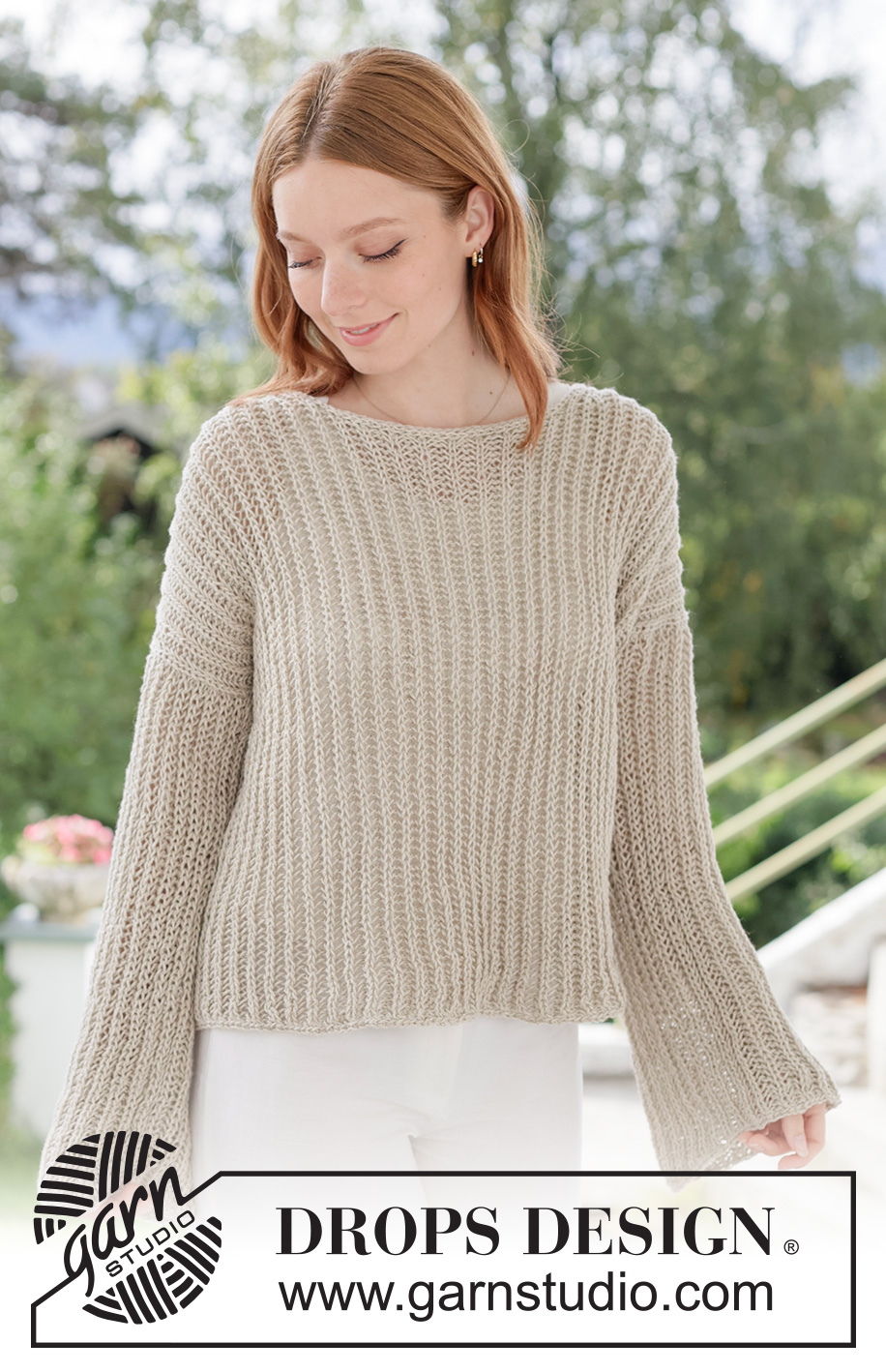
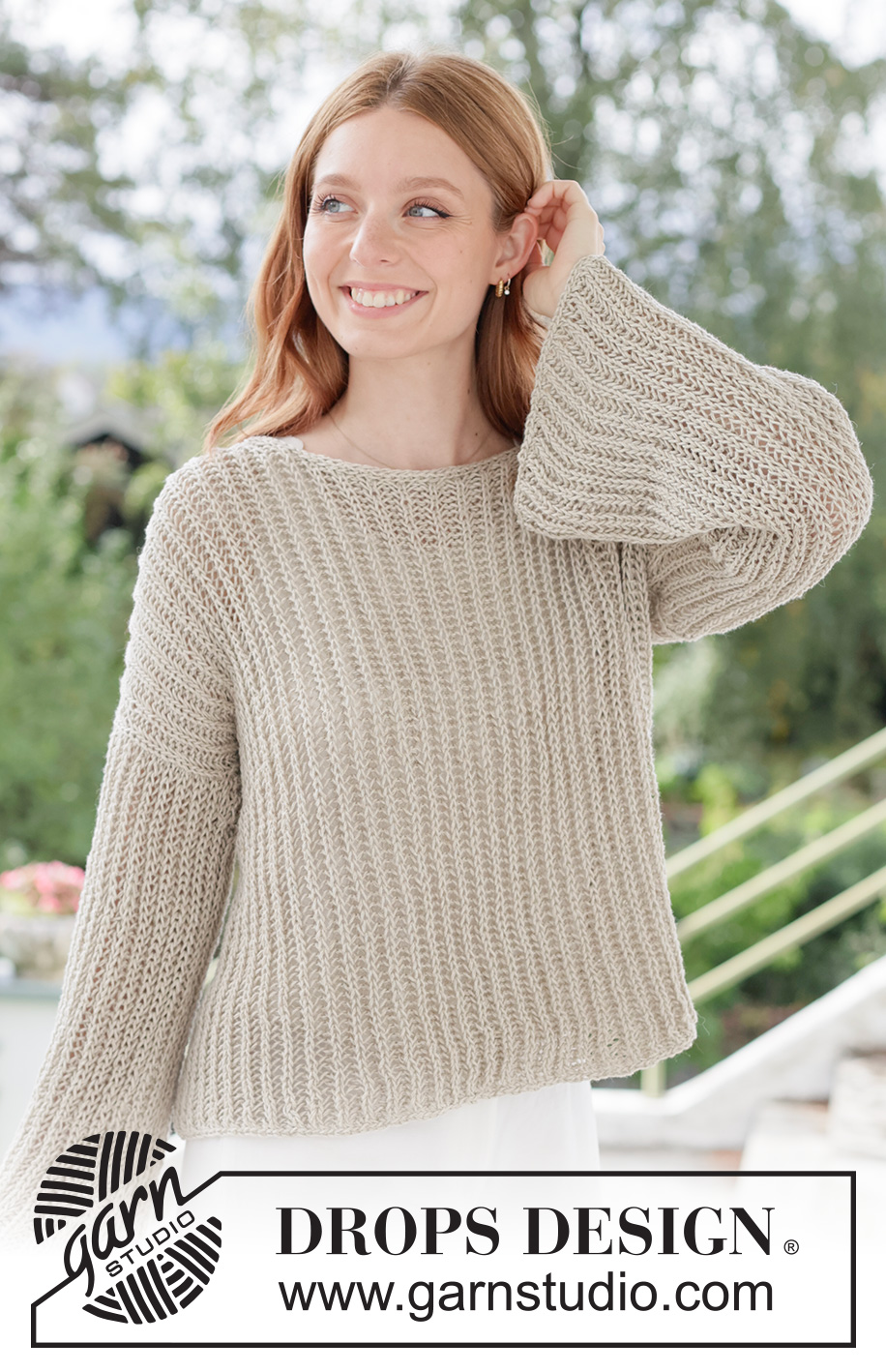
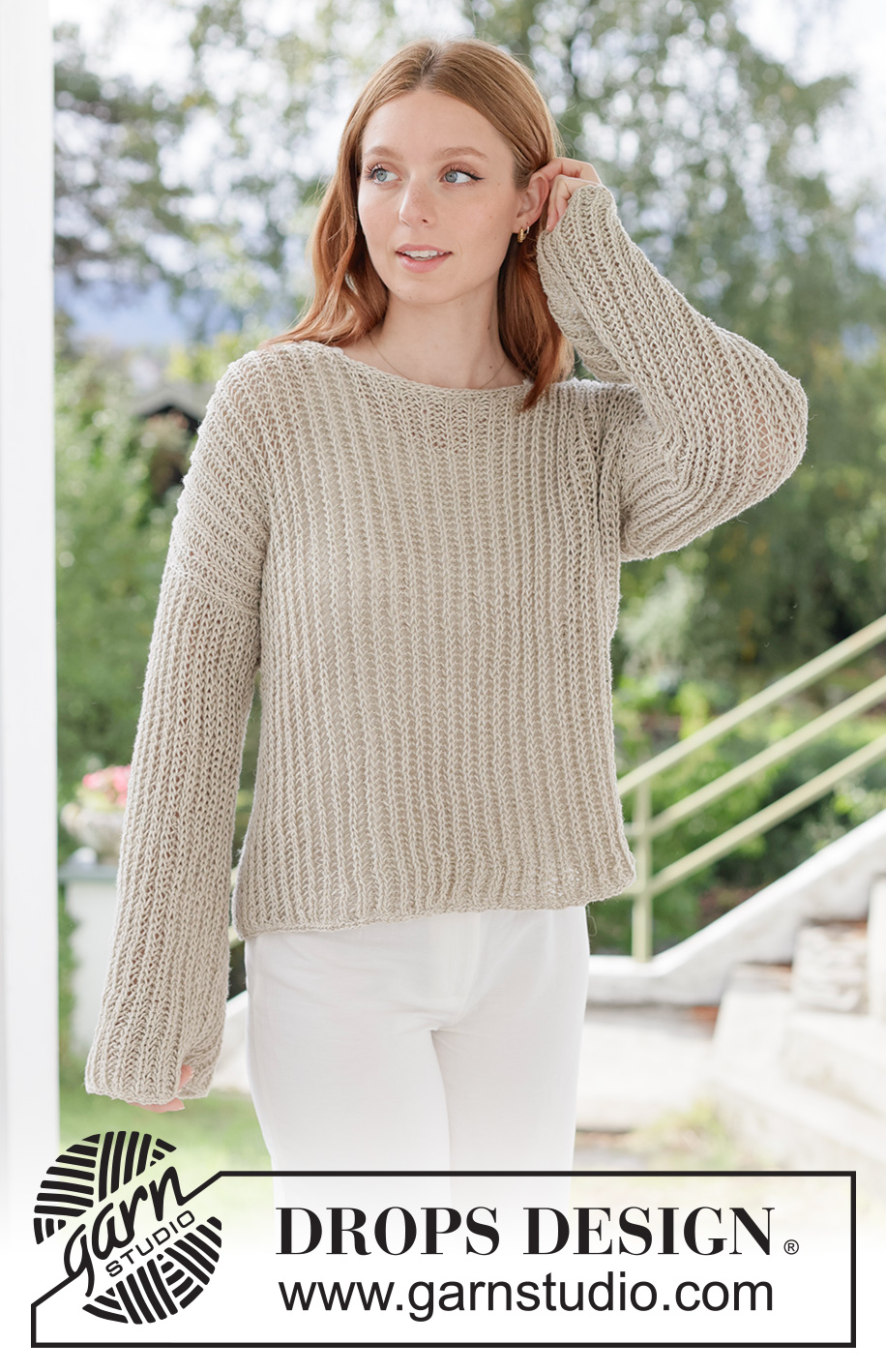
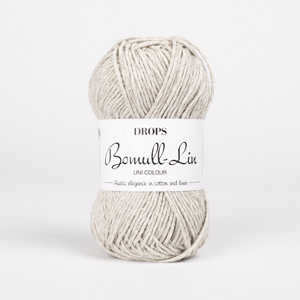
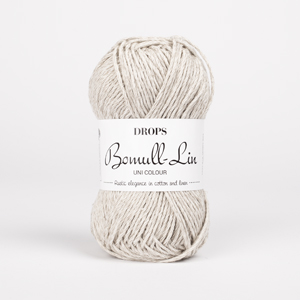
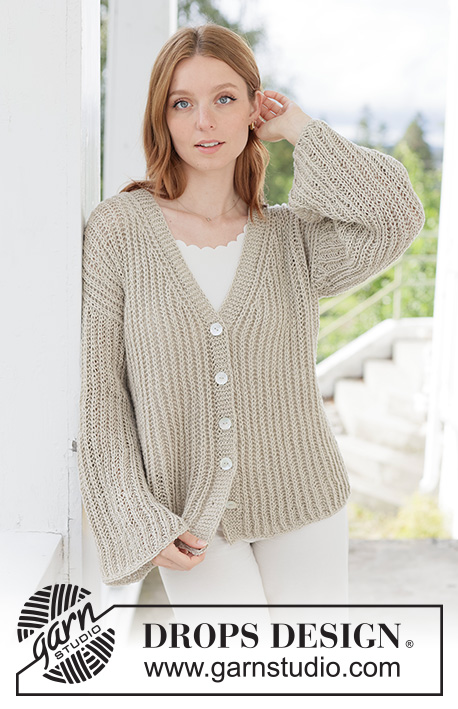
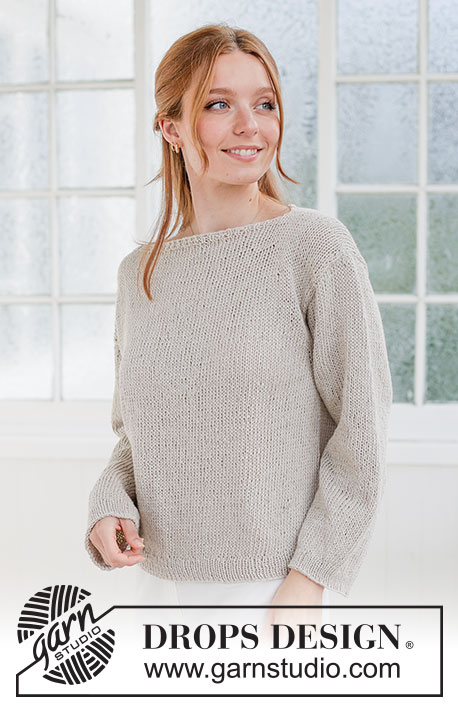
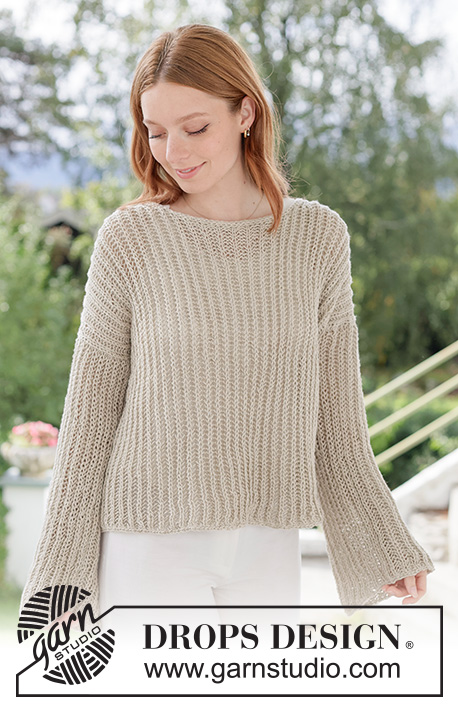
Knitted jumper in DROPS Bomull-Lin. The piece is worked top down with English rib and I-cord. Sizes XS - XXXL.
DROPS 268-18 |
|
|
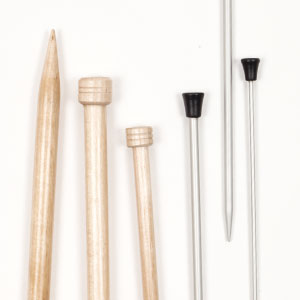
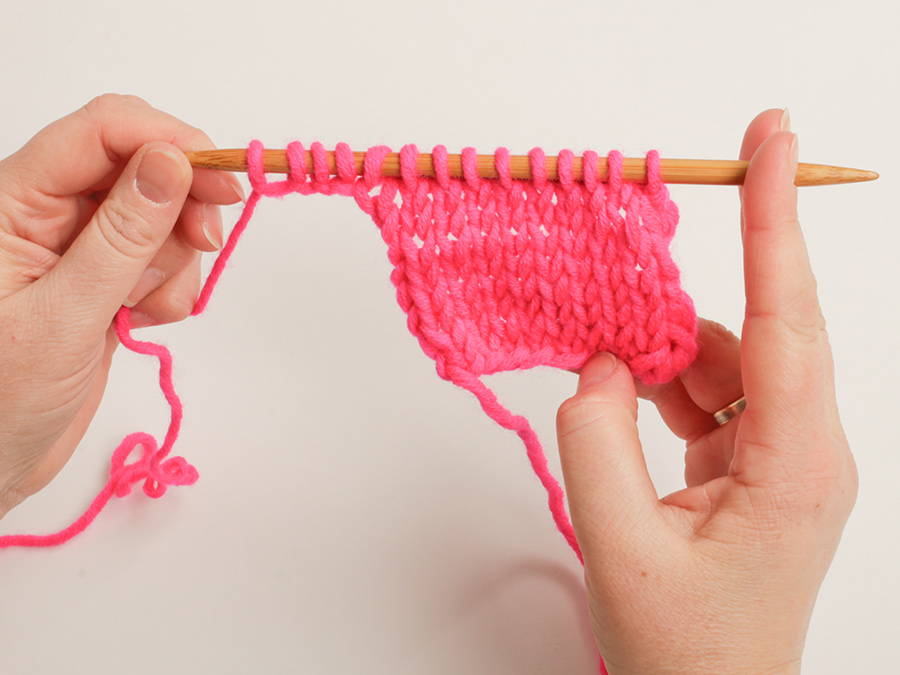
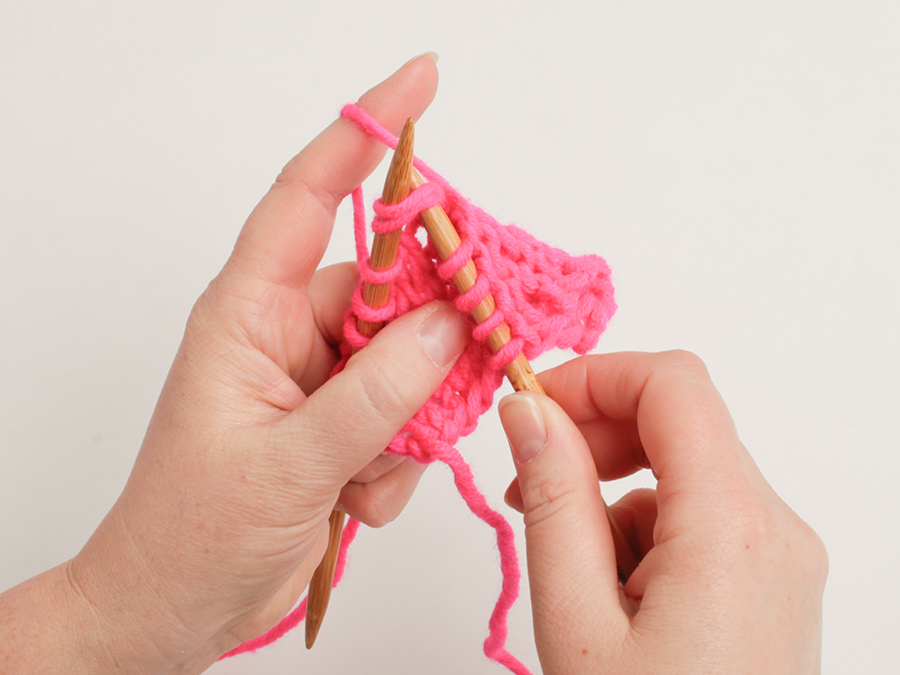
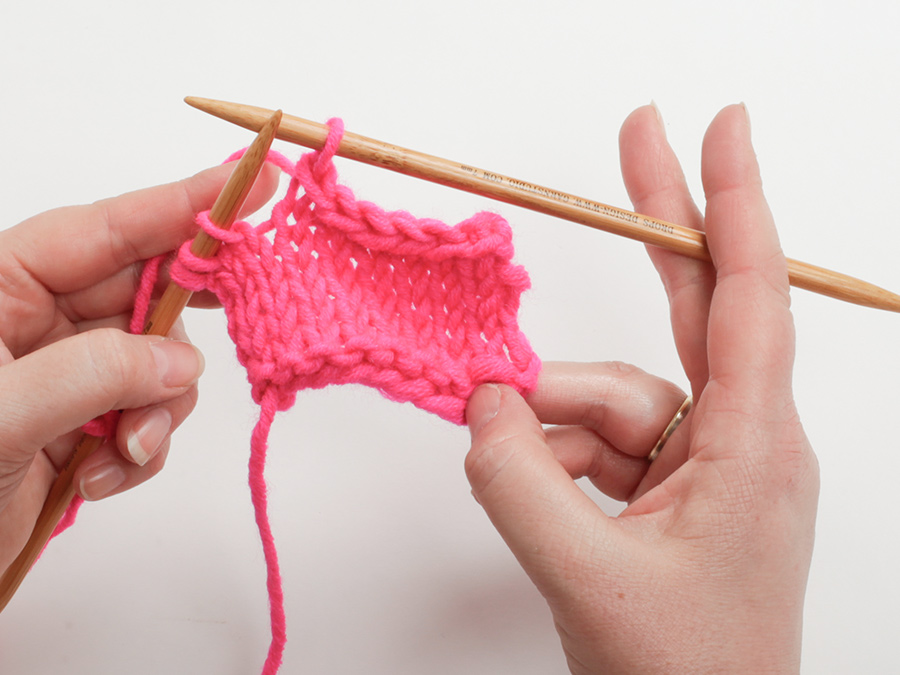
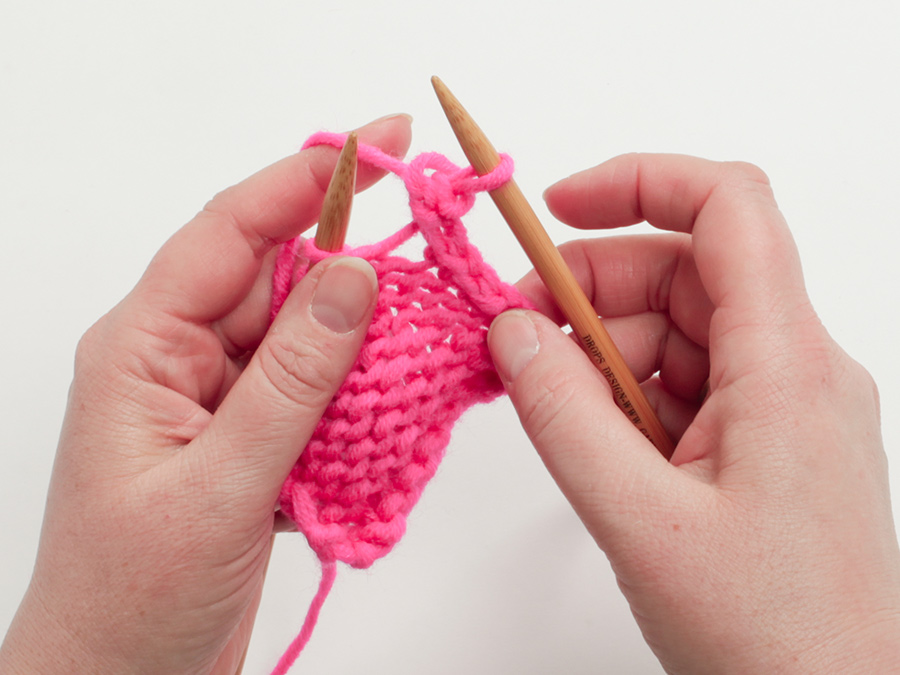
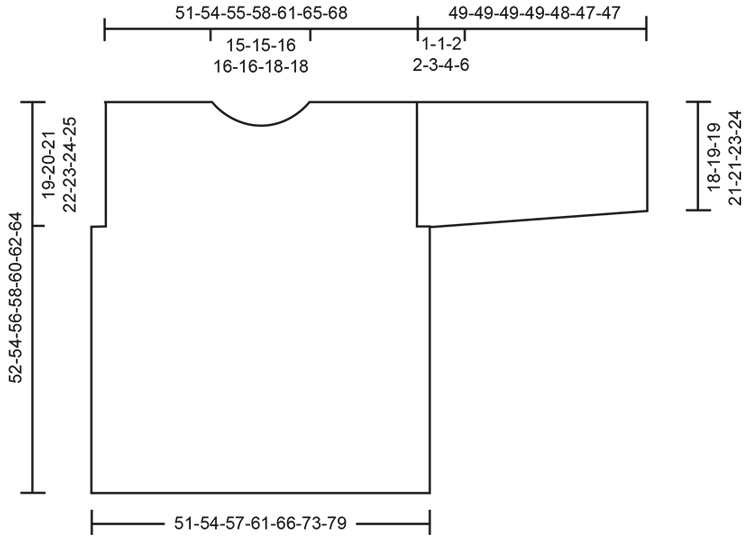
------------------------------------------------------- EXPLANATIONS FOR THE PATTERN: ------------------------------------------------------- KNITTING TIP: When counting stitches, the yarn overs are not included in the stitch-count. From the right side always begin the row with 1 garter stitch, followed by 1 knitted English rib stitch. GARTER STITCH (worked back and forth): Knit all rows, from both the right and wrong side. 1 ridge in height = knit 2 rows. INCREASE TIP: All increases are worked from the right side. Increase 2 stitches in a knitted English rib stitch (= knitted stitch + yarn over) by working 3 stitches in the same stitch as follows: Knit together the stitch and yarn-over but do not slip them from the needle, make 1 yarn over the right needle, knit together the stitch and yarn-over 1 more time (2 increased stitches). Continue the new stitches in English rib but be aware that the increased stitches do not have yarn-overs on the next row and are worked alone the first time. DECREASE TIP (for sleeves): Decrease on a round where the yarn-overs and knitted stitches are knitted together. Decrease 2 stitches on each side of the marker-stitch as follows: AT BEGINNING OF ROUND: Work to the first knitted English rib stitch after the marker stitch: Slip the first knitted stitch and yarn-over onto the right needle as if to knit together, knit together the next 2 stitches (i.e., 1 purled stitch + knitted stitch and yarn-over), pass the slipped stitch and yarn-over over the knitted-together stitches (2 decreased stitches). AT END OF ROUND: Work to the next-to-last knitted English stitch before the marker-stitch: Slip the first knitted stitch and yarn-over onto the right needle as if to knit together, purl 1, pass the slipped stitch and yarn-over over the purled stitch, slip the stitch back onto the left needle, pass the stitch and yarn-over closest to the purled marker-stitch over the stitch which was slipped back onto the left needle, slip the remaining stitch onto the right needle (2 decreased stitches). CAST-OFF WITH I-CORD: After knitting up all the stitches around the neckline, cast off as follows: START (= right side): Cast on 3 stitches onto the right needle. Slip these 3 cast-on stitches onto the left needle so the working strand is 3 stitches in on the left needle (when you continue, the strand tightens the piece to form a small tube). ROW 1 (right side): Knit 2, knit 2 twisted together, pass the 3 stitches from the right needle onto the left needle. Do not turn. Repeat ROW 1 until there are 3 stitches left. Slip these 3 stitches back onto the left needle. Cast off. Sew a small stitch joining the beginning and end of the I-cord. ------------------------------------------------------- START THE PIECE HERE: ------------------------------------------------------- JUMPER – SHORT OVERVIEW OF THE PIECE: The pattern uses both long and short needles; start with the length which fits the number of stitches and change when necessary. The front and back pieces are worked separately, back and forth and top down as far as the armholes. The pieces are joined and the body is finished in the round. Stitches are knitted up around the armholes for the sleeves, which are first worked back and forth for the sleeve cap, then finished in the round. Stitches are knitted up around the neckline, then cast off with I-cord. RIGHT BACK SHOULDER: Cast on 25-27-27-29-31-33-35 stitches with circular needle size 5 mm and DROPS Bomull-Lin. Read KNITTING TIP. Work English rib back and forth as follows: ROW 1 (right side): Work 1 GARTER STITCH – see above, * knit 1, make 1 yarn over, slip 1 stitch purl-wise *, work from *-* until there are 2 stitches left, knit 1 and 1 garter stitch. ROW 2 (wrong side): Work 1 garter stitch, * make 1 yarn over, slip 1 stitch purl-wise, knit together the yarn-over and slipped stitch *, work from *-* until there are 2 stitches left, make 1 yarn over, slip 1 stitch purl-wise, 1 garter stitch. ROW 3 (right side): Work 1 garter stitch, * knit together the yarn-over and slipped stitch, make 1 yarn over, slip 1 stitch purl-wise *, work from *-* until there is 1 yarn-over and 2 stitches left, knit together the yarn-over and slipped stitch, 1 garter stitch. AFTER ROW 3: Repeat rows 2 and 3 until you have worked a total of 8 rows, with the last row from the wrong side. The piece measures approx. 2 cm. Cut the strand and place the stitches on a stitch holder. Work the left back shoulder. LEFT BACK SHOULDER: Cast on 25-27-27-29-31-33-35 stitches with circular needle size 5 mm. Work in the same way as the right shoulder (8 rows), with the last row from the wrong side. Do not cut the strand. You now join the shoulders and work the neckline as follows. BACK PIECE: From the right side: Work across the 25-27-27-29-31-33-35 stitches on the left back piece as before, cast on 21-21-23-23-23-25-25 stitches for the neckline, work across the 25-27-27-29-31-33-35 stitches on the right back piece as before = 71-75-77-81-85-91-95 stitches. Continue the English rib back and forth with 1 garter stitch on each side. From the right side always begin the row with 1 garter stitch followed by 1 knitted English rib stitch. Be aware that the cast-on stitches for the neckline do not have yarn-overs on the first row and are worked alone this time. Work until the piece measures 19-20-21-22-23-24-25 cm from the cast-on edge on the shoulder, with the last row from the wrong side. Cut the strand and place the stitches on a stitch holder. Work the front piece. LEFT FRONT SHOULDER: Cast on 25-27-27-29-31-33-35 stitches with circular needle size 5 mm. Remember KNITTING TIP. Work English rib back and forth as follows: ROW 1 (right side): Work 1 garter stitch, * knit 1, make 1 yarn over, slip 1 stitch purl-wise *, work from *-* until there are 2 stitches left, knit 1 and 1 garter stitch. ROW 2 (wrong side): Work 1 garter stitch, * make 1 yarn over, slip 1 stitch purl-wise, knit together the yarn-over and slipped stitch *, work from *-* until there are 2 stitches left, make 1 yarn over, slip 1 stitch purl-wise, 1 garter stitch. ROW 3 (right side): Work 1 garter stitch, * knit together the yarn-over and slipped stitch, make 1 yarn over, slip 1 stitch purl-wise *, work from *-* until there is 1 yarn-over and 2 stitches left, knit together the yarn-over and slipped stitch, 1 garter stitch. AFTER ROW 3: Repeat rows 2 and 3 until you have worked a total of 10-10-14-10-12-16-16 rows, with the last row from the wrong side. Now increase for the neckline in the 2nd knitted English rib stitch seen from the right side – read INCREASE TIP and work from the right side as follows: 1 garter stitch, work 2 English rib stitches as before, increase 2 stitches in the next stitch, work to end of row as before (2 increased stitches). In sizes XS - S - M the increases are finished. In sizes L - XL - XXL – XXXL work 7 more rows of English rib, then increase like this 1 more time = 27-29-29-33-35-37-39 stitches. After the last increase, work 3 more rows, with the last row from the wrong side. The piece measures approx. 4-4-5-6-7-8-8 cm. Cut the strand and place the stitches on a stitch holder. Work the right front shoulder. RIGHT FRONT SHOULDER: Cast on 25-27-27-29-31-33-35 stitches with circular needle size 5 mm. Remember KNITTING TIP. Work English rib back and forth as follows: ROW 1 (right side): Work 1 garter stitch, * knit 1, make 1 yarn over, slip 1 stitch purl-wise *, work from *-* until there are 2 stitches left, knit 1 and 1 garter stitch. ROW 2 (wrong side): Work 1 garter stitch, * make 1 yarn over, slip 1 stitch purl-wise, knit together the yarn-over and slipped stitch *, work from *-* until there are 2 stitches left, make 1 yarn over, slip 1 stitch purl-wise, 1 garter stitch. ROW 3 (right side): Work 1 garter stitch, * knit together the yarn-over and slipped stitch, make 1 yarn over, slip 1 stitch purl-wise *, work from *-* until there is 1 yarn-over and 2 stitches left, knit together the yarn-over and slipped stitch, 1 garter stitch. AFTER ROW 3: Repeat rows 2 and 3 until you have worked a total of 10-10-14-10-12-16-16 rows, with the last row from the wrong side. Now increase for the neckline in the next-to-last knitted English rib stitch on the row, seen from the right side – remember INCREASE TIP and work from the right side as follows: Work as before until there are 4 stitches left (i.e., 3 English rib stitches and 1 garter stitch), increase 2 stitches in the next stitch, work to end of row as before (2 increased stitches). In sizes XS - S - M the increases are finished. In sizes L - XL - XXL – XXXL work 7 more rows of English rib, then increase like this 1 more time = 27-29-29-33-35-37-39 stitches. After the last increase, work 3 more rows, with the last row from the wrong side. The piece measures approx. 4-4-5-6-7-8-8 cm. Do not cut the strand. Join the shoulders and work the neckline as follows. FRONT PIECE: Work across the 27-29-29-33-35-37-39 stitches on the right shoulder from the right side as before, cast on 17-17-19-15-15-17-17 stitches for the neckline, work across the 27-29-29-33-35-37-39 stitches on the left shoulder from the right side as before = 71-75-77-81-85-91-95 stitches. Continue the English rib back and forth with 1 garter stitch on each side. Work until the piece measures 19-20-21-22-23-24-25 cm from the cast-on edge on the shoulder, with the last row from the wrong side. Do not cut the strand. The back and front pieces are now joined for the body. BODY: From the right side: Work as before across the 71-75-77-81-85-91-95 stitches on the front piece, cast on 1-1-3-5-7-11-15 stitches (mid-under the sleeve), work as before across the 71-75-77-81-85-91-95 stitches on the back piece, cast on 1-1-3-5-7-11-15 stitches (mid-under the sleeve) = 144-152-160-172-184-204-220 stitches. Continue English rib in the round as follows: ROUND 1: Starting on the front piece: Purl 1, * make 1 yarn over, slip 1 stitch purl-wise, purl together the yarn over and slipped stitch*, work from *-* to end of round. The cast-on stitches under each sleeve are worked into the English rib pattern but do not have yarn overs to begin with and are worked alone on the next round. ROUND 2: * Make 1 yarn over, slip 1 stitch purl-wise, knit together the yarn over and slipped stitch *, work from *-* to end of round. ROUND 3: * Purl together the yarn over and slipped stitch, make 1 yarn over, slip 1 stitch purl-wise *, work from *-* to end of round. AFTER ROUND 3: Repeat rounds 2 and 3 onwards until the piece measures 52-54-56-58-60-62-64 cm from the shoulder. Cast off with knit. To avoid the cast-off edge being tight, cast off the yarn-overs as normal stitches. ASSEMBLY-1: Sew the shoulder seams. SLEEVES: Knit up 53-55-57-61-63-67-69 stitches, using circular needle size 5 mm, inside the garter stitches along the front and back pieces. NOTE: Do not knit up stitches in the cast-on stitches under the sleeve. The split on the sleeve will be sewn to the equivalent cast-on stitches on the body later. Work English rib back and forth for the sleeve cap as follows: ROW 1 (wrong side): Work 1 garter stitch, * make 1 yarn over, slip 1 stitch purl-wise, knit 1 *, work from *-* until there are 2 stitches left, make 1 yarn over, slip 1 stitch purl-wise, work 1 garter stitch. ROW 2 (right side): Work 1 garter stitch, * knit together the yarn-over and slipped stitch, make 1 yarn over, slip 1 stitch purl-wise *, work from *-* until there are 2 stitches left, knit together the yarn over and slipped stitch, work 1 garter stitch. ROW 3 (wrong side): Work 1 garter stitch * make 1 yarn over, slip 1 stitch purl-wise, knit together the yarn-over and slipped stitch *, work from *-* until there are 2 stitches left, make 1 yarn over, slip 1 stitch purl-wise, work 1 garter stitch. ROW 4 (right side): Work 1 garter stitch, * knit together the yarn-over and slipped stitch, make 1 yarn over, slip 1 stitch purl-wise *, work from *-* until there are 2 stitches left, knit together the yarn over and slipped stitch, work 1 garter stitch. Work ROWS 3 and 4 a total of 1-1-2-3-4-6-9 time (4-4-6-8-10-14-20 rows worked). When the sleeve cap is finished, at the end of the last row from the right side, cast on 1 stitch (= last stitch on the round) = 54-56-58-62-64-68-70 stitches. Insert 1 marker in this cast-on stitch at the end of the round. Continue English rib in the round as follows: ROUND 1: Purl 1, * make 1 yarn over, slip 1 stitch purl-wise, purl together the yarn over and slipped stitch*, work from *-* until there are 3 stitches left, make 1 yarn over, slip 1 stitch purl-wise, purl 1, make 1 yarn over, slip 1 stitch purl-wise. ROUND 2: * Make 1 yarn over, slip 1 stitch purl-wise, knit together the yarn-over and slipped stitch *, work from *-* to end of round. ROUND 3: * Purl together the yarn-over and slipped stitch, make 1 yarn over, slip 1 stitch purl-wise *, work from *-* to end of round. AFTER ROUND 3: Repeat ROUNDS 2 and 3 onwards. When the sleeve measures approx. 5-5-5-5-6-6-7 cm from the knitted up row, decrease 2 stitches on each side of the marker-stitch (4 decreased stitches) – read DECREASE TIP = 50-52-54-58-60-64-66 stitches. Continue with English rib until the sleeve measures 49-49-49-49-48-47-47 cm from the knitted-up row. Cast off with knit. To avoid the cast-off edge being tight, cast off the yarn-overs as normal stitches. NECKLINE: Using circular needle size 5 mm, knit up stitches around the neckline from the right side: Start on one shoulder seam and knit up approx. 58-58-62-64-66-74-74 stitches. CAST-OFF WITH I-CORD– read description above. ASSEMBLY-2: Sew the split under the sleeves to the cast-on stitches on the body. |
|
 |
|
Have you finished this pattern?Tag your pictures with #dropspattern #spellofsummersweater or submit them to the #dropsfan gallery. Do you need help with this pattern?You'll find 20 tutorial videos, a Comments/Questions area and more by visiting the pattern on garnstudio.com. © 1982-2026 DROPS Design A/S. We reserve all rights. This document, including all its sub-sections, has copyrights. Read more about what you can do with our patterns at the bottom of each pattern on our site. |
|


With over 40 years in knitting and crochet design, DROPS Design offers one of the most extensive collections of free patterns on the internet - translated to 17 languages. As of today we count 324 catalogues and 12290 patterns translated into English (UK/cm). 12290
We work hard to bring you the best knitting and crochet have to offer, inspiration and advice as well as great quality yarns at incredible prices! Would you like to use our patterns for other than personal use? You can read what you are allowed to do in the Copyright text at the bottom of all our patterns. Happy crafting!
Post a comment to pattern DROPS 268-18
We would love to hear what you have to say about this pattern!
If you want to leave a question, please make sure you select the correct category in the form below, to speed up the answering process. Required fields are marked *.